Fanal Forest is one of Madeira’s most rewarding places for a short walk, particularly if you want to see the island’s old laurel trees without committing to a full day of hiking. Twisted trunks, spreading branches and open grassy clearings give the area its character. Fog can change the atmosphere, but the trees deserve attention in clear weather too.
The main distinction to make before visiting is between a stop around the forest station and a longer walk on a classified hiking trail. You can plan a gentle visit around the trees, or make Fanal part of a proper walking day. Those choices involve different preparation, transport arrangements and, for the classified trails, booking requirements.
Where Is Fanal Forest?
Fanal lies in the municipality of Porto Moniz, between Ribeira da Janela and the Paul da Serra plateau in northwestern Madeira. Its centuries-old til trees, Ocotea foetens, belong to the island’s native Laurissilva forest. The Porto Moniz council’s Fanal visitor information also identifies the seasonal pond and walking routes that connect this area with the surrounding forest.
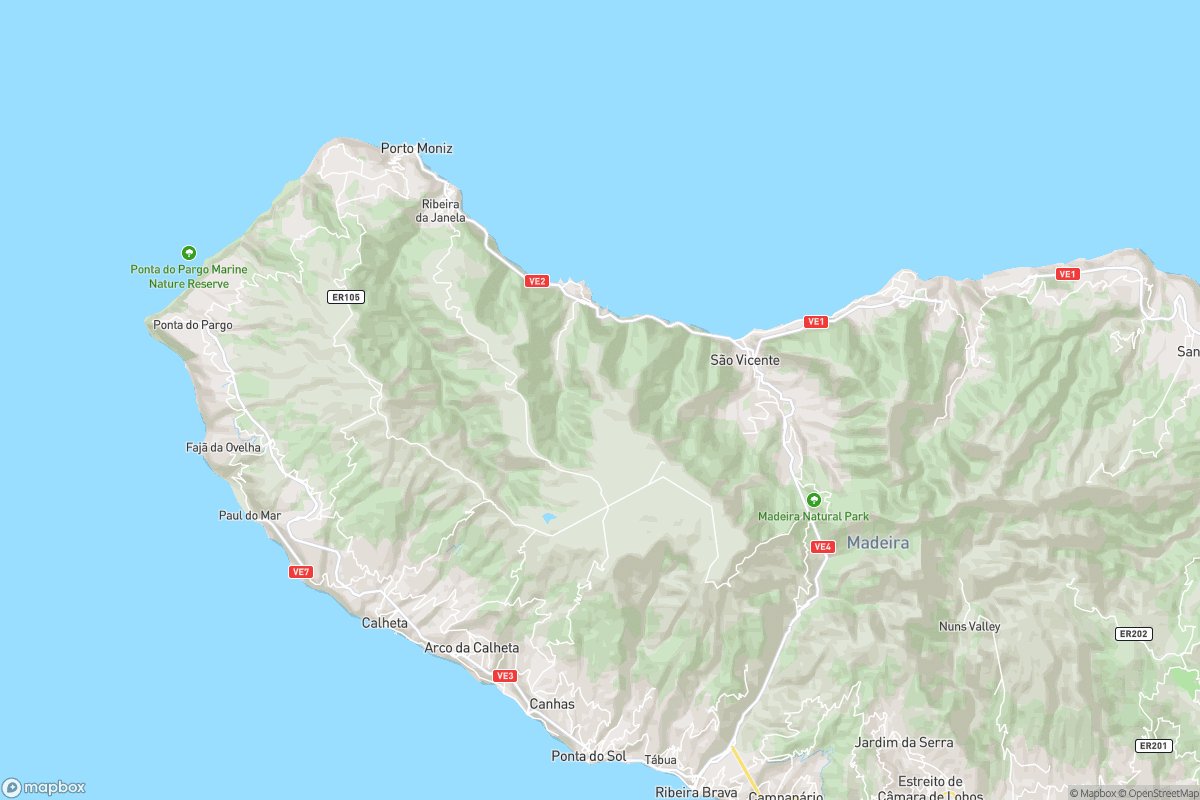
Do not expect a formal garden with a single path connecting numbered attractions. Plan to spend time looking at the trees rather than following a checklist. A short visit can work well, provided you stay within the accessible visitor area and respect any barriers or directions on site.
Why the Forest Matters
Fanal is part of a much larger natural heritage. Madeira’s Laurisilva received UNESCO World Heritage status in 1999, protecting a surviving example of a forest type once widespread in Europe. The UNESCO listing for the Laurisilva of Madeira recognizes both its biodiversity and its role in the island’s water balance.
That context changes how to approach a visit. These are not props arranged for photographs. Avoid climbing trunks, hanging from branches or stepping over barriers to reach a cleaner camera angle. The most useful souvenir is a photograph taken without damaging what brought you here.
Getting to Fanal and Parking
For a visit centered on the forest, use the Fanal forest station as your navigation destination rather than the starting point of PR13. The classified trail starts elsewhere along the ER209, so selecting its trailhead by mistake can turn a short sightseeing stop into an unexpected walking commitment.
Set your route before leaving your accommodation, then check for road restrictions that morning. Allow more time than the navigation estimate if visibility is poor. There is no benefit in arriving five minutes earlier if the drive leaves everyone gripping the door handle.
The council lists a covered picnic area and a large parking area at Fanal in its guide to municipal picnic facilities. Park in the designated area, leave access routes clear and follow any temporary arrangements. Do not treat grass beside the road as overflow parking simply because another vehicle has stopped there.
Download your route before setting off and save the location of your parked car before walking away. This is especially sensible if visibility is already poor. Photographing the parking area and nearby signs gives you another reference when returning.
Visiting Without a Car
If you do not want to drive, compare an organized excursion with a private transfer. Check how long the itinerary actually allows at Fanal: a brief photo stop and a relaxed forest visit are different products, even when both feature the same photograph in the advertising.
For a private transfer, agree on the collection point, waiting time and return price before departure. If you are considering driving instead, the guide to Madeira’s hills, tunnels and parking covers the broader road conditions without turning this forest visit into a driving manual.
When to Visit Fanal for Fog
Treat fog as a possibility, not an appointment. If mist is your main reason for visiting, keep the date flexible rather than assigning Fanal to one immovable morning months ahead. Check the forecast close to your visit, but resist treating a cloud symbol as a guarantee of the scene you want.
An early start can be a sensible planning choice if you prefer a quieter schedule and want more daylight afterward. It does not justify driving through conditions beyond your comfort level. Choose daylight for a first visit unless you have a clear reason, suitable equipment and a safe plan for arriving earlier.
Do not confuse atmospheric mist with weather that makes a visit unsafe. If you cannot see enough of the road to drive confidently, or conditions make it difficult to keep your group together, change the plan. A photograph is not a useful reason to ignore a closure or warning.
Is Fanal Worth Visiting Without Fog?
Yes, provided you are interested in the forest rather than reproducing one particular image. In clear conditions, spend time studying the shapes of the trunks and the spread of the branches. Use a wider composition instead of trying to hide every tree behind a curtain of mist that has declined to appear.
For photography, choose one tree, check your footing and move around it using established ground. Avoid backing away while looking through a screen. Taking fewer, more considered photographs also leaves time to enjoy the place without viewing the entire visit through a phone.
How Much Time to Allow
For a short visit around the trees, allow about one to two hours as a planning allowance, not an official walking duration. That gives you room to arrive, orient yourself, take a modest walk and stop for photographs without constantly checking the time.
A tighter stop can work if your goal is simply to see the area near the parking place. Photographers, families and anyone hoping to wait through changing conditions should leave more space in the schedule. Do not use the short sightseeing allowance for either of the longer classified trails.
A Sensible First Visit
Start by reading the signs and checking the route back to your vehicle. Walk among the accessible trees using established paths, keeping the distance appropriate to the visibility and everyone’s footwear. Expand the walk only when you are comfortable with the ground and confident about returning.
If visiting the seasonal pond interests you, check signs and ground conditions before heading farther. Do not build the visit around finding water: the council describes it as a winter pond that fills with abundant rainfall, rather than a permanent lake.
Leave a little unallocated time. A visit that consists entirely of walking from the car to a tree, taking a photograph and walking back may satisfy a checklist, but it gives the forest very little chance to make an impression.
Trail Fees, Reservations and Closures
Do not confuse a short forest stop with walking PR13 or PR14. These classified trails fall under Madeira’s trail reservation system. For 2026, the standard individual visitor fee for each of these routes is €4.50, with exemptions that include children aged 12 and under and qualifying Madeira residents. Exempt users still need a reservation.
Bookings are made online through SIMplifica, with entry slots subject to availability. Use the IFCN’s official trail fee and reservation guidance to check the rules before your walk. Do not arrive expecting to arrange everything at a staffed ticket counter.
If joining a guided walk, ask whether the operator handles your reservation and whether the trail charge is included. For an independent visit, save your booking confirmation before leaving your accommodation. A reservation does not override a closure, and starting only a short section of a classified route should not be treated as an excuse to ignore its access requirements.
Short Forest Walk or Longer Hike?
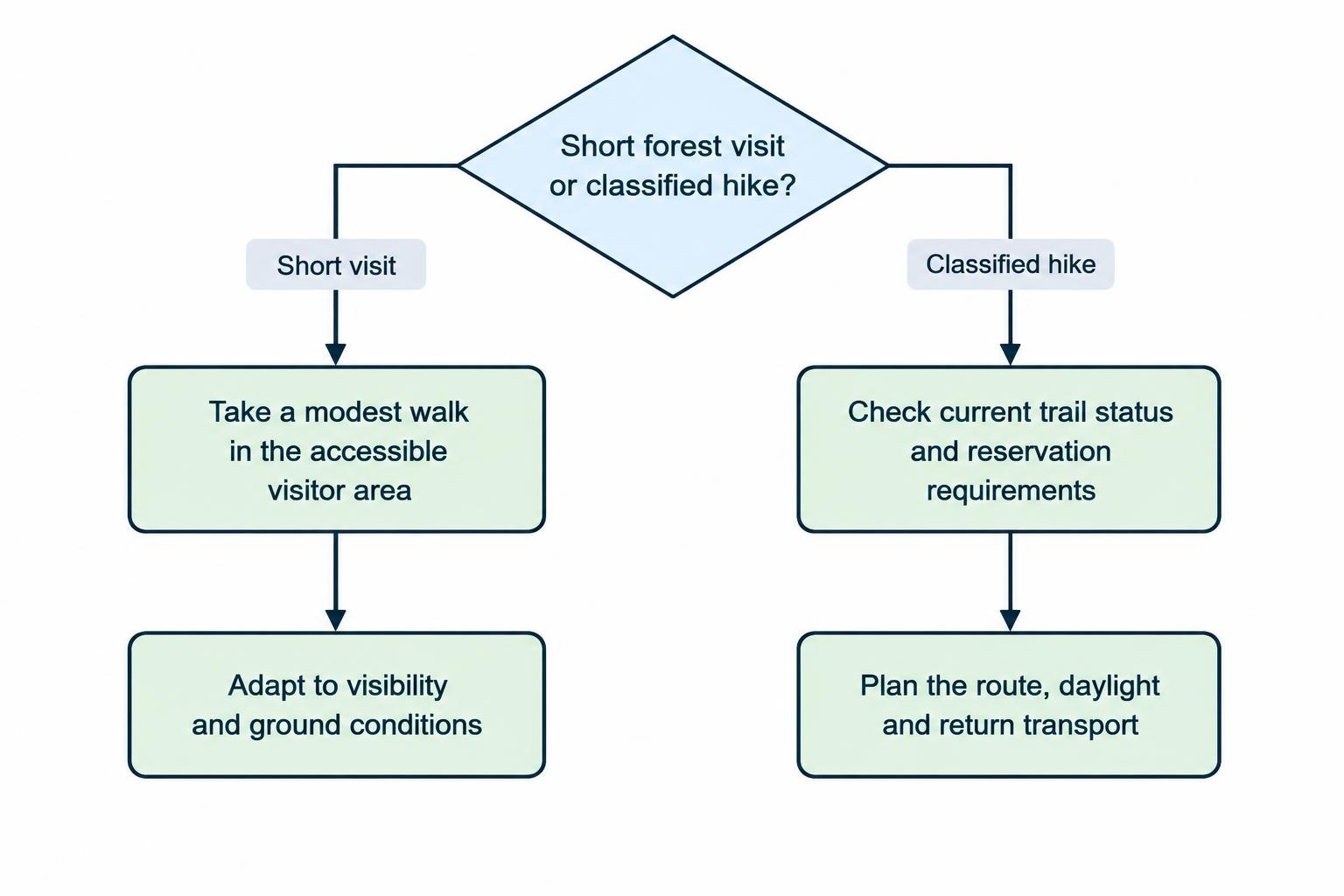
The easiest way to keep the day manageable is to choose its purpose in advance. A forest visit gives you flexibility to turn back when the weather or ground becomes unpleasant. A longer trail requires a route plan, enough daylight and an agreed way to return to your vehicle.
The two principal classified routes associated with Fanal have different endpoints. Check the IFCN register of classified trails and current closures before departure rather than relying on an old itinerary or downloaded blog post.
| Option | Distance and endpoints | Planning consideration |
|---|---|---|
| Short forest visit | Choose a modest return walk around the accessible visitor area. | Keep your route appropriate to visibility, footwear and mobility. |
| PR13 Vereda do Fanal | 10.8 km between Paul da Serra and Fanal. | Arrange transport between endpoints or account for the return journey. |
| PR14 Levada dos Cedros | 7.2 km between Fanal and Curral Falso. | Plan this as a separate hike, not a quick extension of a photo stop. |
For PR13, a car left at one endpoint will not conveniently reappear at the other. Book a transfer, use a suitable organized walk or calculate the full implications of returning on foot. Avoid leaving that decision until the end, when fatigue and fading daylight make poor travel advisers.
PR14 also deserves more preparation than a casual stroll. The official Levada dos Cedros route description lists a moderate walk taking approximately three hours. That estimate covers the published route, not every possible return arrangement, photograph stop or detour.
What to Wear and Bring
Dress for the conditions at the forest, not for breakfast on a sheltered terrace. Choose shoes with a dependable grip, a waterproof outer layer and something warm that you can add or remove. Take drinking water and a snack even if you expect only a short stop.
A compact day bag is more useful than carrying loose items while negotiating uneven ground. Protect your phone and camera from moisture, and keep a dry cloth available for lenses. If you want a broader checklist for the trip, use the Madeira packing guide.
Do not depend on finding refreshments or usable toilets at the precise moment you need them. Make a comfort stop beforehand, bring what you need and take all rubbish away. For visitors with mobility needs, confirm current access arrangements before traveling; proximity to parking does not establish that the ground suits a wheelchair or walking aid.
Children, Cattle and Protecting the Trees
With children, keep the first walk short and stay together when visibility is poor. If cattle are present, give them room, avoid feeding or approaching them, and never position children beside an animal for a photograph. Choose another direction rather than squeezing past.
Stay off exposed roots where possible, leave moss and plants untouched, and respect fenced areas. If a path is too wet to use without damaging its edges, turn back rather than widening it. Keep voices and music down so other visitors can enjoy the forest too.
Combining Fanal With the North Coast
For a day without a long hike, consider pairing Fanal with one main coastal stop. The Seixal Beach guide is useful if you prefer a beach visit after the forest. Leave enough flexibility to shorten either stop rather than rushing between them.
Build the day around your priorities. If forest photography matters most, give Fanal the larger time allowance. If you mainly want a brief woodland stop, protect the rest of the afternoon instead of waiting indefinitely for different weather.
Another option is to combine the forest with Porto Moniz’s natural pools, checking swimming conditions separately. Forest weather and safe sea access are different decisions; a successful morning inland does not settle what you should do at the coast.
The strongest Fanal plan is a simple one: choose between sightseeing and hiking, arrange the return transport, bring suitable layers and leave room to change your mind. Visit for the trees. If the fog joins you, consider it a bonus.