Porto Moniz natural pools can work well with kids, but choose the bathing area carefully and keep the swimming plan flexible. For most families, the managed, paid complex is the better starting point: it combines the volcanic pool setting with facilities that make changing, breaks and supervision more manageable.
The deciding factor should be conditions on the day, not whether the stop is already on your itinerary. Treat this as a coastal swimming visit, rather than an ordinary pool session. This guide focuses on decisions for parents; the broader Porto Moniz natural pools guide covers the attraction beyond a family visit.
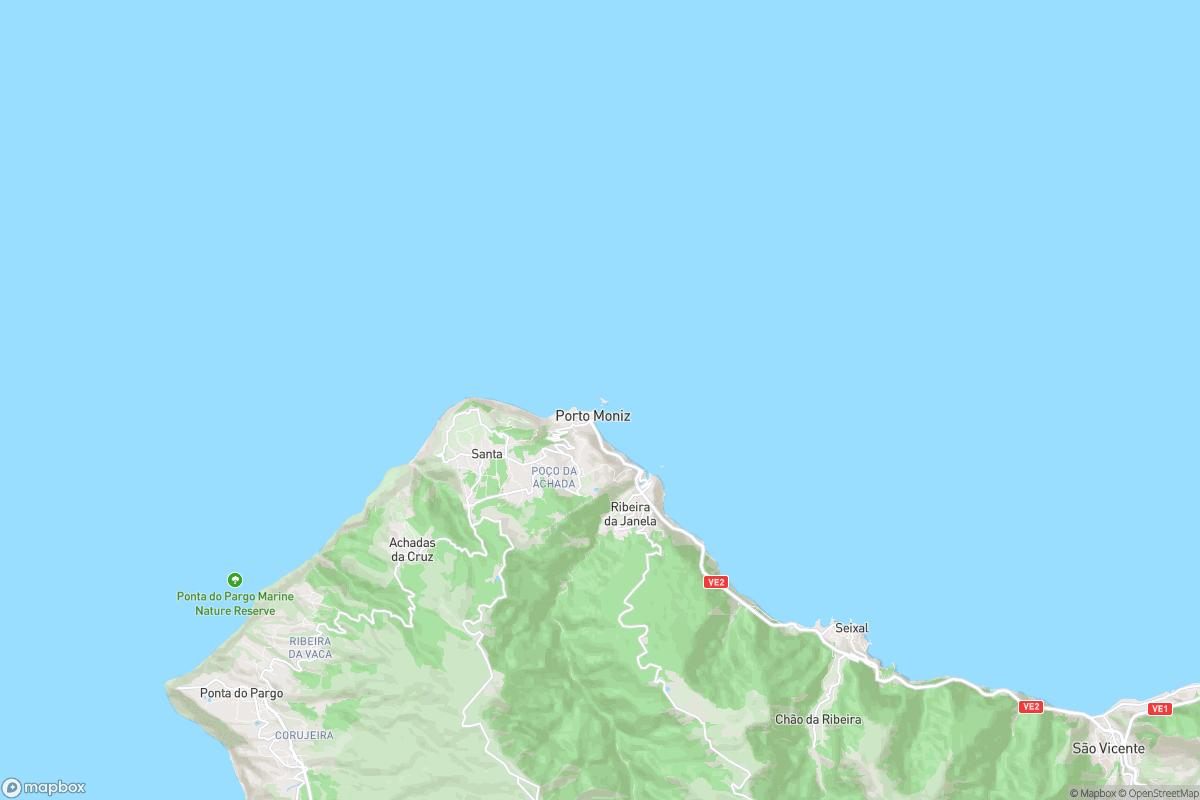
Which Porto Moniz pools should families choose?
The managed complex is the practical first choice
The paid Piscinas Naturais do Porto Moniz has a children’s pool, playground, changing rooms, bar and first aid post, plus loungers and parasols available to rent. These are seawater pools formed among volcanic rocks. The main swimming area is described as approximately two metres deep, so do not assume that every section is suitable for a child who needs to stand. The Madeira Tourism Board’s pool facilities listing also confirms accessible entry.
For parents, the advantage is practical rather than cosmetic. You can plan around a designated children’s area instead of trying to judge whether an unfamiliar rock basin suits your youngest swimmer.
Accessible entry does not confirm that every pool has step-free water access. If you need a continuous route for a wheelchair, or help transferring a child into the water, ask about that exact requirement before travelling. For a pushchair, confirm where it can go and where it can remain without blocking circulation.
Cachalote is a different family proposition
The free Cachalote pools, also associated with the aquarium area, are a separate bathing spot. They retain a more natural setting and have an outdoor shower, but no supporting facilities or toilets. Seasonal supervision is listed in the official Cachalote pools description; that should not be interpreted as guaranteed cover whenever you arrive.
For a family with small children, choosing between the two should not come down to saving the admission charge. Toilets, changing arrangements and a designated children’s pool matter more. Choose the managed complex first, then assess whether swimming is appropriate at all.
Is Porto Moniz suitable for your child?
Swimming ability, confidence and the amount of adult support available are more useful than age alone. A child who enjoys a familiar indoor pool may still dislike a different water temperature, unfamiliar entry or the sight of the ocean beside them. There is no need to turn that hesitation into a swimming lesson.
For babies and toddlers, plan a short visit with no swimming target. Before changing everyone, decide where you would feed, change and settle your child, and whether leaving early would be straightforward. Ask about baby changing provision rather than assuming that changing rooms include the equipment you need.
For preschool children and hesitant swimmers, start with observation. Let them watch from an appropriate place, identify the children’s area together and agree that getting out is always an option. A few comfortable minutes are a better result than a long session spent negotiating.
For confident older children, set boundaries before they enter: where they may swim, where they must not go and how they should respond when you call them out. Confidence should not become permission to investigate every corner of an unfamiliar bathing site.
Mixed ages require a realistic adult plan. If one child wants to swim and another needs hands-on help, decide how you will manage both before anyone enters. Taking turns is preferable to stretching supervision across children with different needs.
Water safety: what parents need to do
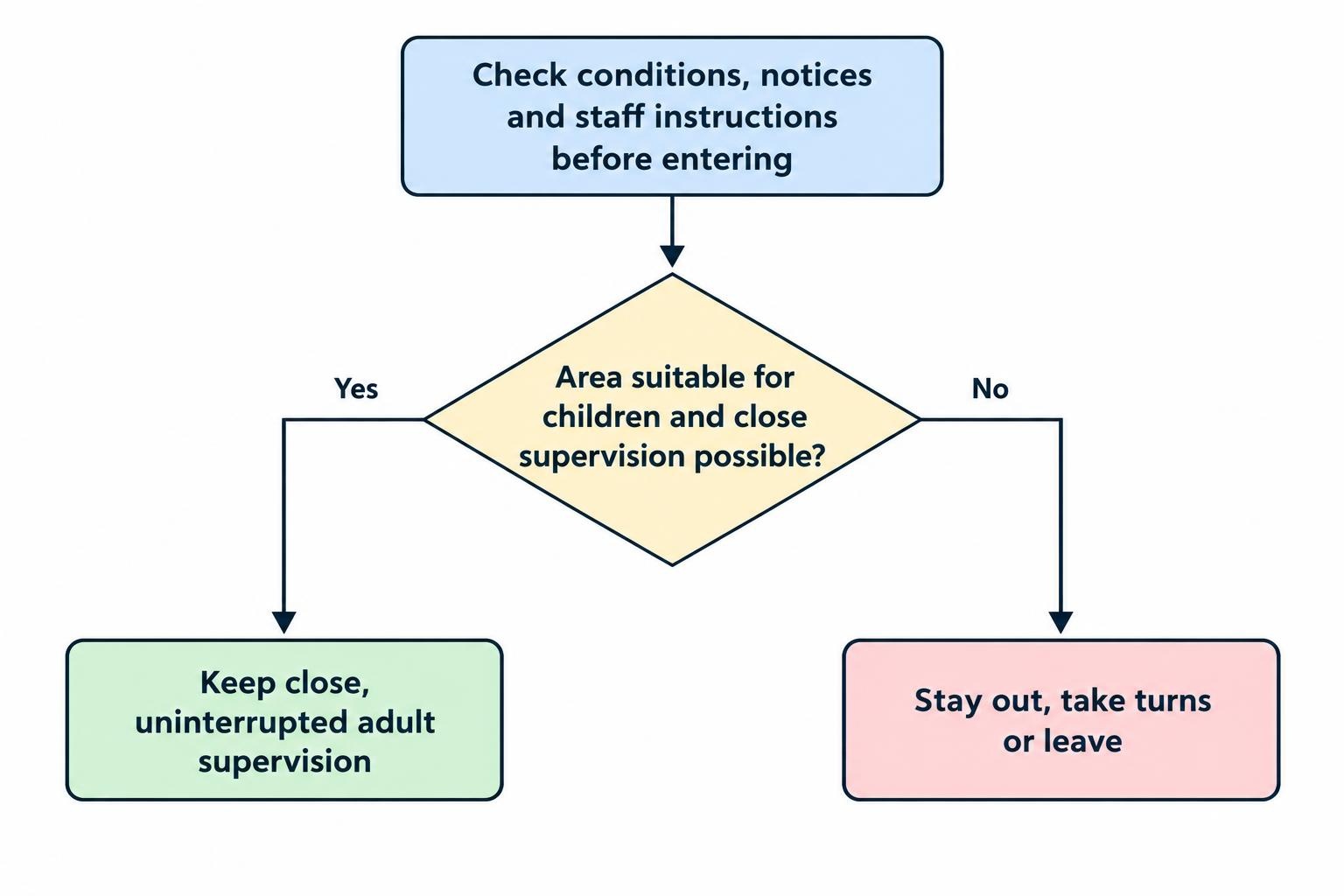
Keep supervision clear and uninterrupted
Children need close, constant supervision even when lifeguards are present or they have taken swimming lessons. Keep young children and weak swimmers within arm’s reach, and put the supervising adult’s phone away. Inflatable rings and armbands are not drowning prevention equipment; the CDC’s swimming safety guidance distinguishes these toys from a properly fitted approved life jacket.
Make handovers explicit. “You are watching now” needs an acknowledged answer before the first adult leaves. Avoid arrangements where both adults believe the other is supervising.
If you cannot keep every child appropriately supervised, change the arrangement. Take turns, stay out together or shorten the visit. A lifeguard provides another layer of protection, not a replacement parent.
Follow conditions, signs and staff instructions
Before entering, check the notices and flags, locate the lifeguard and ask which area is appropriate for your children that day. Follow any restrictions immediately. Portugal’s Maritime Authority bathing safety guidance requires attention to flags and lifeguard instructions, recommends suitable footwear and gives 112 as the emergency number.
Do not use other visitors as your safety test. Someone else swimming, standing near an exposed edge or taking a photograph does not establish that the same choice is appropriate for your family. If you are uncertain about an area, stay back and ask staff.
Inspect your route into and out of the water before helping a child in. Identify the intended exit, keep the approach clear and make walking rather than running a firm rule. Do not encourage jumping into unfamiliar water.
Agree on an exit signal with older children. When you call them out, they should leave without first finishing a game or swimming to another section. Explain this before they are distracted by the water.
Check in during breaks rather than waiting for a child to complain. Ask whether they want to continue, warm up, eat or leave. The goal is a comfortable family swim, not getting maximum minutes from the entrance fee.
Entry prices and opening hours for a family visit
The municipality’s published standard tariff applies per entry. It lists the following prices and seasonal opening hours in its official Porto Moniz pool admission information.
| Visitor category | Published admission |
|---|---|
| Visitors older than three, without an applicable discount | €3 per entry |
| Children aged three or younger | Free |
| Visitors with an eligible student card | €1.50 per entry |
At the standard rate, two adults and two children older than three would pay €12 for admission. Two adults, one older child and a child aged three or younger would pay €9. Eligible discounts can change those totals.
Published hours are 9am to 5pm in winter and 9am to 7pm during the summer schedule. These are operating hours, not a guarantee that swimming will be permitted throughout your visit. Confirm the current schedule, admission rules and conditions before setting out.
Budget separately for any equipment hire, food, parking and transport. Ask about re-entry before leaving for lunch; a per-entry tariff should not be treated as an all-day pass with unrestricted returns. Bring the relevant card if you intend to claim a discount.
What to pack for Porto Moniz with kids
Pack so that stopping swimming is easy. A dry child with a snack is a much more cooperative travelling companion than a wet child waiting while someone searches the boot.
- Secure water shoes: choose footwear that fits properly and stays on, rather than loose shoes a child must keep retrieving.
- Swimwear and sun protection: bring a swimming top, hat and suitable sunscreen, with a plan for breaks away from direct sun.
- A towel and complete dry outfit for each child: include underwear and something comfortable for the return trip.
- Drinking water and familiar snacks: keep them accessible, and check the complex’s rules before bringing food inside.
- Baby supplies where needed: pack changing materials, a mat and spare swim nappies, then confirm the pool’s requirements.
Keep the bag modest. Before packing large inflatables, bulky toys or snorkelling equipment, ask whether they are permitted and whether you will genuinely use them. Every extra item becomes something to carry, watch or retrieve.
Put dry clothes and changing supplies together, separate from the swimming kit. With two adults, one can organise the change while the other remains responsible for the children. With one adult, keep everyone together rather than sending a child ahead to collect belongings.
For the rest of your holiday luggage, use the broader Madeira packing list. This pool stop needs a compact swimming bag, not a second suitcase.
How to plan the day without rushing the swim
Allow roughly two to three hours at the complex as a planning allowance, not a promised swimming duration. That gives room for entry, changing, looking around, a short swim and a break. Leave space to stay longer if everyone is comfortable, or leave much sooner if they are not.
A sensible sequence is to check conditions before unpacking, inspect the bathing area together, change only once you have decided to swim, then reassess after the first short session. This avoids having four people ready for the water before discovering that the plan does not suit one of them.
Keep transport flexible where possible. Before choosing between a car, bus or organised excursion, compare the arrangements in the guide to getting around Madeira. With children, the return arrangement deserves as much attention as getting there.
If using a tour, ask how long the Porto Moniz stop lasts, whether admission is included and whether there is enough time to change. A brief sightseeing stop and an unhurried family swim are different products, even if both descriptions mention the pools.
If travelling by bus, check the service for your exact day and identify the return departure before leaving your accommodation. Work backwards from that departure, allowing time to dry, dress and reach the stop without a final sprint.
Avoid adding several other activities that only work if the swimming visit finishes on schedule. Make Porto Moniz the main stop, with any extra sightseeing optional. Families do not need to prove how many places they can visit before dinner.
What if the pools are closed or your child will not swim?
Have a dry alternative ready before you travel. If swimming is restricted, do not treat the free pools or another nearby water entry as an automatic workaround. Reassess the day rather than looking for somewhere without a gate.
The Madeira Aquarium in Porto Moniz occupies a reconstructed fort and provides a land-based alternative focused on local marine life. The municipality lists daily opening from 10am to 6pm; confirm current admission and opening before relying on it as your backup.
If a child simply does not want to swim, accept that answer. Watching from a suitable place, having lunch or continuing with a dry activity can still make the outing worthwhile. Avoid promising a swim until you have assessed the site together.
If your family would prefer a beach visit instead, compare Calheta and Machico beaches for another day rather than automatically adding a second swimming destination to this one.
Porto Moniz works best with kids when the plan remains straightforward: choose the managed complex, check conditions before committing, supervise actively and make leaving easy. A short, comfortable visit is a better family result than forcing the full afternoon you originally planned.