Shopping in Funchal is best approached in two parts: browse the market for food and flowers, then visit specialist shops for gifts worth taking home. Madeira embroidery, a bottle of Madeira wine, a small wicker basket or a box of locally made biscuits all deserve consideration. A souvenir with “Madeira” printed across it is not necessarily made on the island.
Leave room to compare products rather than buying everything at your first stop. For a first visit, allow a morning for the market and central shops, with longer if you want to examine embroidery or arrange a wine tasting. You can fit these stops around the sights in our Funchal travel guide without turning an entire day into a shopping expedition.
Where to Shop in Funchal
Start with Rua Dr. Fernão de Ornelas and the pedestrian streets around the cathedral. These central shopping streets in Funchal bring together established businesses, newer shops and regional products, including embroidery and honey cake. Browse them before committing to a more expensive purchase.
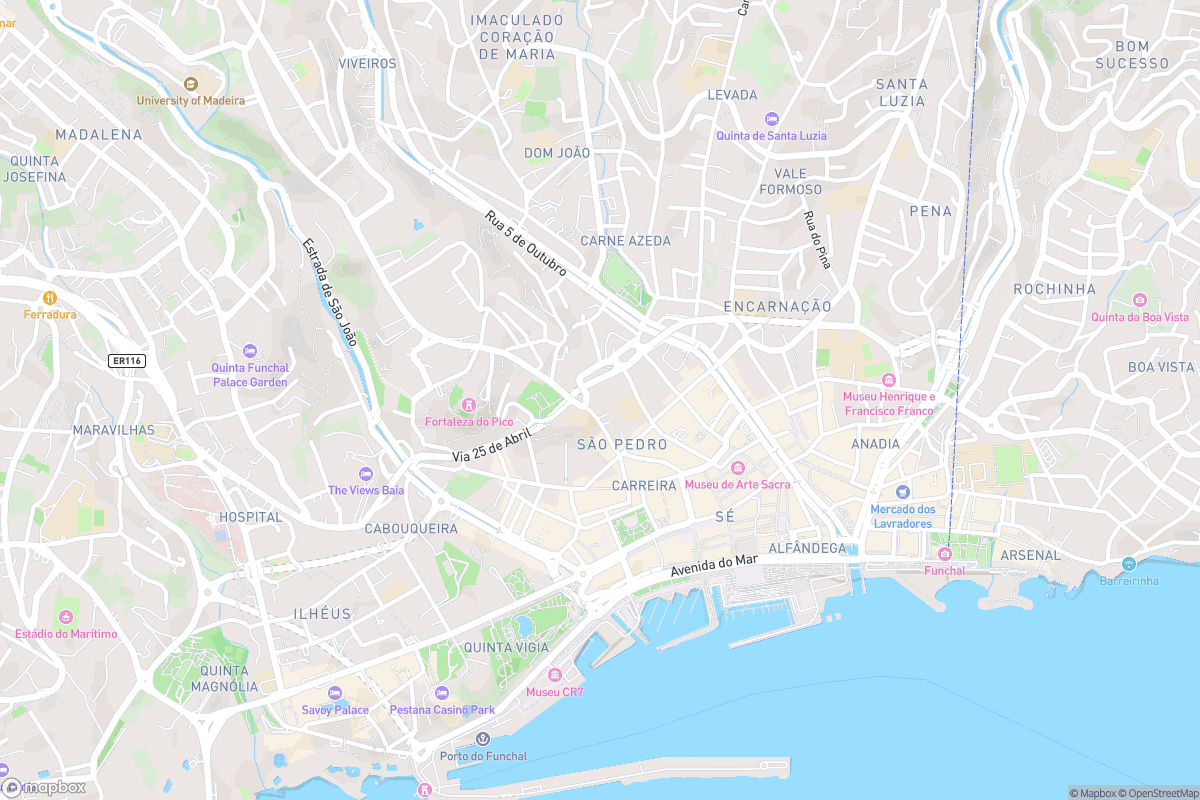
Choose your shopping area by what you need, rather than trying to cover every district.
| Shopping area | What to look for | How to approach it |
|---|---|---|
| Mercado dos Lavradores | Fruit, flowers and regional produce | Visit in the morning and confirm prices before ordering |
| Rua Dr. Fernão de Ornelas | Traditional shops and Madeira embroidery | Allow time to ask about materials and production |
| Streets around the cathedral | Regional gifts, food products and souvenirs | Compare labels, pack sizes and makers |
| Shopping centres | Clothing, groceries and everyday purchases | Use them for practical shopping rather than a craft search |
Mercado dos Lavradores: What to Buy and What to Check
The Mercado dos Lavradores is Funchal’s landmark market, at Largo dos Lavradores. Its published opening hours are Monday to Thursday, 7am–7pm; Friday, 7am–8pm; and Saturday, 7am–2pm, with Sunday closed. Check for holiday changes before making a special trip.
Plan a morning visit if shopping is your priority. Treat the building’s opening hours as the outer window for a visit, not a promise that every trader will have the same stock throughout the day. Allow roughly 45 minutes to an hour as a planning estimate, with more time if you want to compare produce.
The most useful purchases depend on where the goods are going. Fruit makes sense for breakfast at your accommodation. Flowers might suit a longer stay. Neither is automatically a sensible purchase for an international flight home.
Ask for the price, unit and total
Before accepting a bag of fruit, establish whether the displayed price is per kilogram, per item or per pack. Then ask how much your chosen quantity will cost. A hypothetical price of €20 per kilogram means 300 grams costs €6; the unit matters more than the size of the number on the sign.
Keep tasting and buying as separate decisions. You can enjoy a sample, ask questions and still take time to compare another stall. If you only want one or two pieces, say so before anything is weighed or packed.
Ask where the produce was grown rather than assuming everything displayed comes from Madeira. For purchases intended as gifts, check condition, ripeness and packaging. A delicate fruit that looks excellent on Tuesday may not be the gift you hoped for after a Friday flight.
Buying Genuine Madeira Embroidery
Madeira embroidery is worth considering when you want a gift with a stronger connection to the island than a printed tote bag. The buying decision should start with authenticity: look for the Madeira Embroidery certification seal. IVBAM, the island’s wine, embroidery and handicrafts institute, checks production quality and authenticity before the guarantee stamp is attached.
Do not rely on a shop sign or a general reference to “Madeira linen.” Ask whether the individual piece is certified Madeira embroidery, what fabric it uses and how it should be washed. Examine the actual item you intend to buy, including its edges and reverse, rather than choosing solely from a folded display.
Size is only part of the comparison. Two similarly sized pieces may have very different amounts of embroidery. Ask the seller to explain the work involved, then decide whether you value the pattern, fabric and finish enough to justify the price.
A small handkerchief, napkin or table accessory is a practical starting point. Larger tablecloths deserve more preparation: bring your table measurements and decide how much overhang you want. Buying one first and measuring later is an expensive order of operations.
For a shopping stop that also provides production context, Bordal’s living museum and embroidery factory at Rua Dr. Fernão de Ornelas, 77 presents the stages of Madeira embroidery, from drawing and pattern transfer to stitching and finishing. It gives you something useful to assess beyond the final price tag.
Before paying, request care instructions and keep the receipt with the certification information. If the piece is a gift, ask for packaging that protects it without hiding the label or care details.
Wickerwork, Ceramics and Other Craft Souvenirs
Wickerwork has a longstanding connection with Camacha, and Madeira wicker products are also sold in Funchal. You do not need to buy a large basket to bring home an example of the craft. A small container or practical household piece may be easier to use and pack.
Ask who made the item and where it was produced. A wicker basket sold on Madeira and one made on Madeira are not necessarily the same thing. Check the weave, handle attachments and base, then run a hand carefully around the edges to identify rough ends.
Think about transport before falling for an awkward shape. A basket that fits inside your luggage is simpler than one requiring its own packing arrangements. For larger pieces, request a written shipping quote before purchasing, including packaging and delivery terms.
Apply the same questions to ceramics and decorative gifts. “Hand painted,” “designed in Madeira” and “made in Madeira” describe different things. Ask for the maker’s name and place of production if local manufacture is your priority.
For ceramics intended for use rather than display, ask whether the item is suitable for food, the dishwasher or the microwave. Inspect rims and handles before wrapping. There is nothing wrong with buying an inexpensive decorative souvenir; just avoid paying a handmade price without establishing what you are buying.
Food and Drink Souvenirs That Make Sense
Bolo de mel, biscuits and sweets
Packaged food is a useful choice when you want several gifts without several fragile objects. Bolo de mel, Madeira’s sugarcane syrup cake, is worth considering alongside biscuits and sweets. Choose a pack size the recipient will actually finish, and check the date rather than assuming a traditional product keeps indefinitely.
A central option is the Fábrica Santo António factory shop, on Travessa do Forno. The shop occupies the same building as its production unit and sells biscuits, including some products by weight. Its published hours are Monday to Friday, 9am–7pm, and Saturday, 9am–1pm, with Sunday closed.
Compare the contents as well as the packaging. A decorative tin can be part of the gift, but check how much food it contains. Read ingredient labels for allergies and dietary requirements rather than guessing from the product name.
For gifts going abroad, favour clearly labelled products and retain their original packaging. Loose biscuits may suit an afternoon snack; a sealed pack with ingredients is easier to assess before an international journey.
Madeira wine
Buy wine around the recipient’s preferences, not the most elaborate bottle on the shelf. Tell the retailer whether the person enjoys dry or sweet drinks, how they might serve it and your spending ceiling. Our guide to Madeira wine styles, tastings and experiences covers the choices in more detail.
If you arrange a tasting, confirm its price, duration and booking requirements separately from any bottle purchase. Before paying for wine to take home, decide how you will transport it. Request protective packaging and check the rules for your flight and destination rather than leaving that problem until the airport.
Funchal Shopping Centres: Useful for Everyday Purchases
Shopping centres serve a different purpose from the market and embroidery shops. Use them for clothing, groceries and replacement essentials, or when you want several practical errands in one place. Plaza Madeira, Fórum Madeira and MadeiraShopping are among Funchal’s shopping centres; choose one that fits your plans rather than visiting all three.
Fórum Madeira is at Estrada Monumental, 390. Its official opening schedule lists shops from 10am to 11pm daily and the supermarket from 8am to 11pm. The centre lists closures on January 1 and December 25. Check the individual business before travelling for a particular purchase.
Do not confuse the building’s opening time with the opening time of its shops. That distinction matters if you are trying to buy something before a day trip.
For ordinary packaged goods, compare the same brand and pack size across retailers. For craftwork, however, the lowest price is not a useful measure unless the materials, origin and amount of handwork are comparable.
A Practical Funchal Shopping Route
Set aside a weekday morning and start at Mercado dos Lavradores. Browse before buying, then purchase only the fresh food you can use during your stay. If you want to combine the visit with sightseeing, connect it with our self-guided walk through Funchal Old Town.
Continue along Rua Dr. Fernão de Ornelas, allowing extra time for an embroidery stop. Browse the streets around the cathedral next, then make your food gift purchases once you have compared products and packaging.
Leave bulky or heavy purchases until the end, or arrange to collect them later if the shop agrees. Carrying bottles around while examining delicate textiles adds nothing to either experience.
Allow about three hours for this suggested route, including browsing and a break. That is a planning allowance, not a timed walking circuit. If you book a tasting or want to discuss a larger embroidery purchase, give it a separate slot.
Before You Pay: Origin, Receipts and Packing
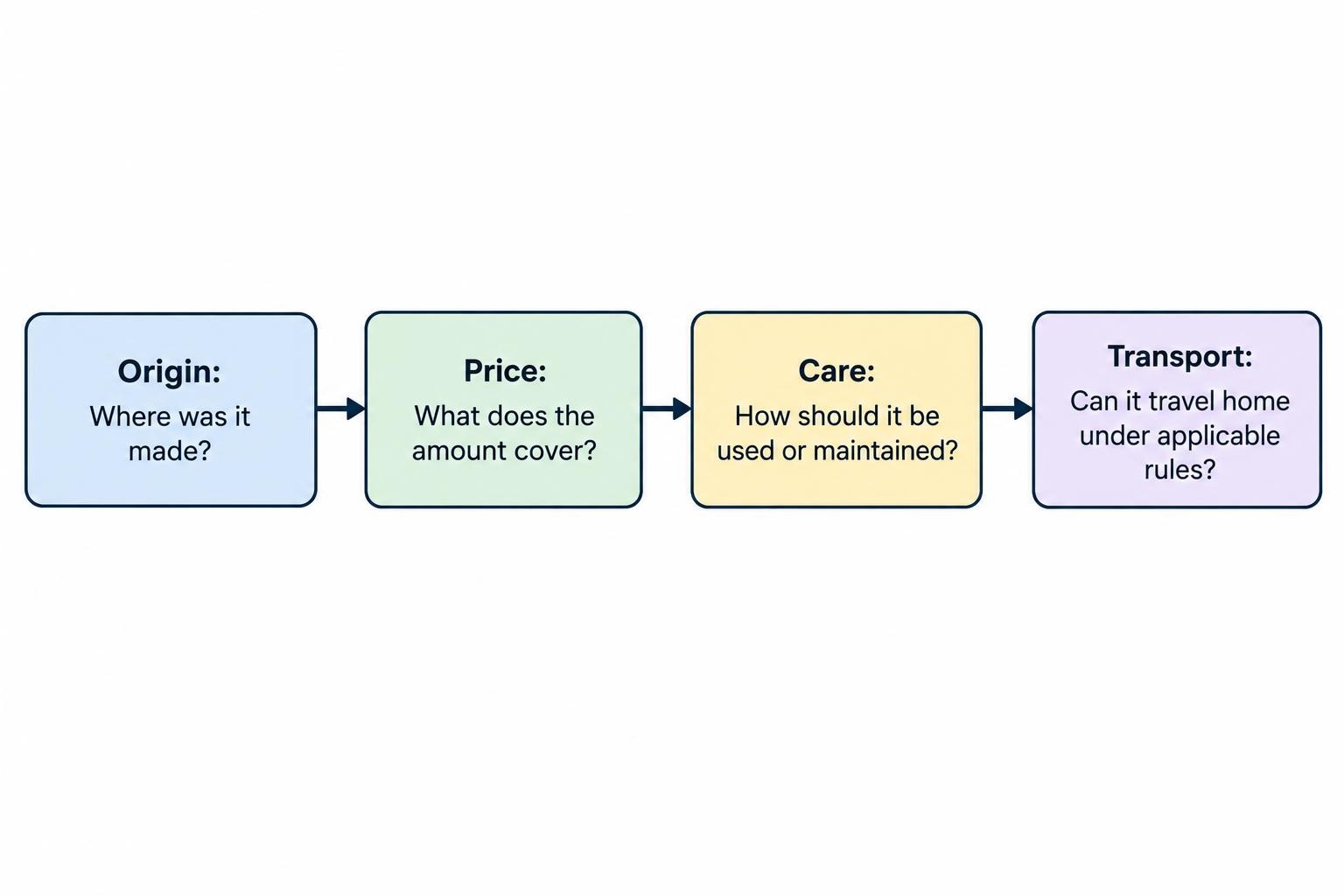
A few questions prevent most disappointing souvenir purchases:
- Origin: Was it made in Madeira, elsewhere in Portugal or outside the country?
- Price: Is the amount for one item, a set, a pack or a weight?
- Care: How should you wash, store or use it?
- Transport: Will it fit your luggage, and have you checked the applicable travel rules?
Keep receipts for higher value purchases and ask about the shop’s return arrangements before paying. If shipping is involved, get the delivery address, total cost and arrangements for damage or loss in writing.
Check destination requirements before buying fresh fruit, flowers, plants or other agricultural products. For bottles and jars, check your airline and departure airport guidance, including any connecting flights. A retailer’s willingness to pack something does not establish that you can take it home.
The best purchase is not necessarily the largest or most traditional. A certified embroidered napkin you will use, biscuits someone will enjoy or a well chosen bottle of wine can be a better reminder of Funchal than a suitcase full of objects bought in a hurry.