For a first visit to Madeira, plan around a few different meals rather than a long list of dishes: a fish lunch, a grilled meat dinner, a bakery stop and, if you drink alcohol, a wine tasting. Leave room for fruit and something sweet between them.
This Madeira food and drink guide covers what to order, how to choose restaurants, what to check at markets and where small extras can affect the bill. The aim is to eat well without turning every lunch into a research project.
What to Eat in Madeira
Start with the island’s traditional Madeiran dishes. These menu names give you a useful starting point, whether you want a full restaurant meal or something simpler.
| Dish | What it is | When to order it |
|---|---|---|
| Espetada | Meat cooked on a skewer, traditionally using a bay laurel stick | A sit down dinner built around grilled meat |
| Filete de espada | Black scabbardfish fillet, often served with banana | A fish meal with a characteristic Madeiran pairing |
| Bolo do caco | Bread commonly served warm with garlic butter | A starter, accompaniment or sandwich |
| Lapas | Limpets, served grilled as an appetizer | A seafood starter to share |
| Milho frito | Cooked cornmeal that is cooled, cut and fried | A side dish instead of, or alongside, potatoes |
| Picado | Small pieces of meat in sauce, served with fried potatoes | A shared meal rather than separate main courses |
Build your order around one main dish and check what comes with it. Ask whether the portion is intended for one person, whether sides are included and how much bread the table needs. There is little benefit in ordering three accompaniments before discovering that the main course already includes two.
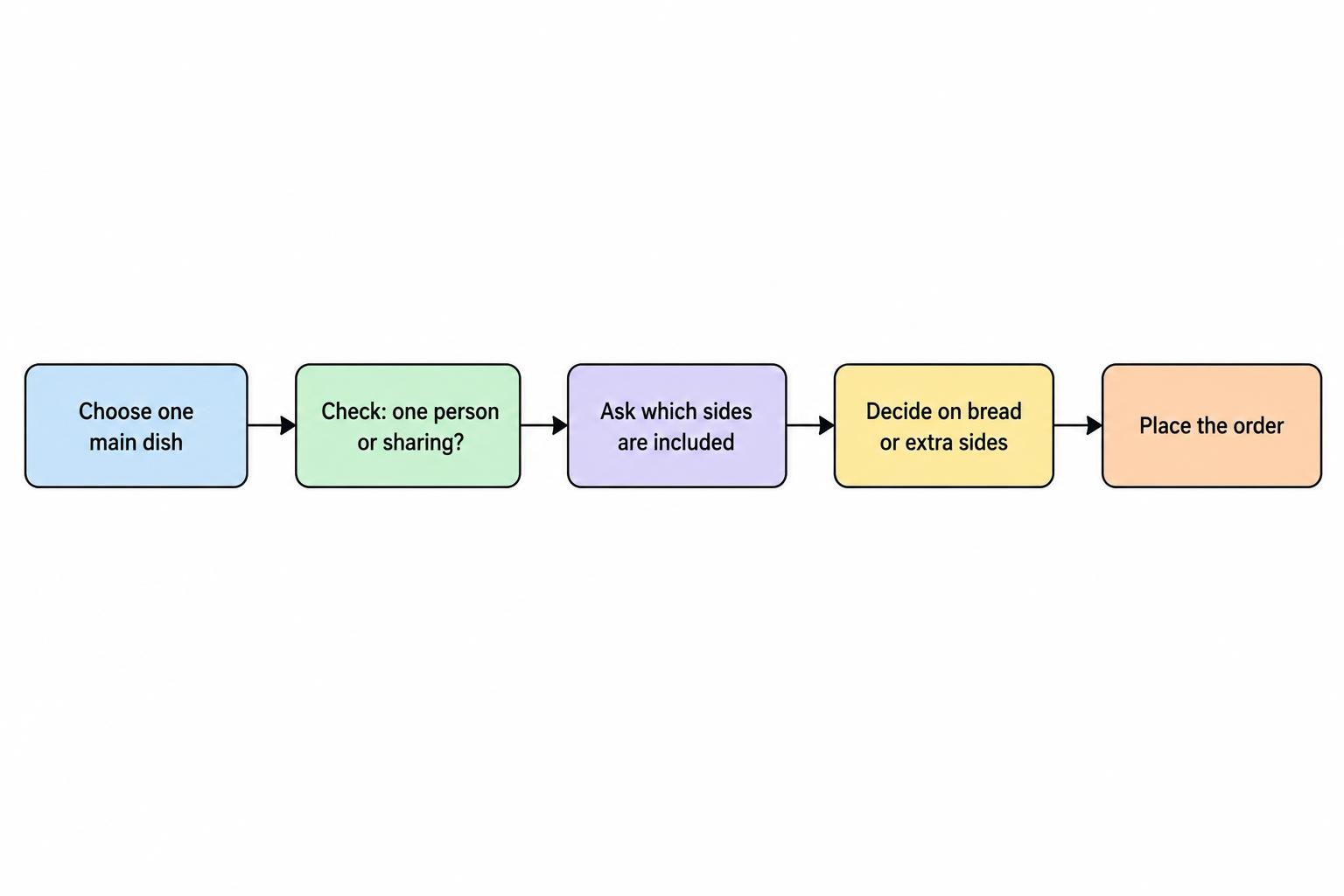
For a couple, a shared starter followed by different main courses makes a useful first meal. For a group, agree on the size of sharing dishes before ordering several platters. Sharing works best when everyone knows whether they are having a taste or their entire dinner.
The fuller guide to traditional Madeira food covers individual dishes and their variations. Use it to choose what appeals to you, not to create an eating checklist. Repeating a meal you enjoyed is a perfectly sensible use of a holiday.
Fruit, Cakes and Bakery Stops
Madeira’s produce includes bananas, passion fruit, custard apples, avocados and mangoes. On the sweeter side, look for queijadas, made with cheese, and bolo de mel, whose sweetness comes from sugarcane syrup rather than bee honey. Fruit, sugarcane products and regional baking all feature in Madeira’s food traditions.
Try unfamiliar fruit in small quantities. Ask the seller which pieces are ready to eat that day and which need more time. A bag of firm fruit is not especially useful on the final afternoon of your trip, however attractive it looked on the stall.
For dessert, choose between a restaurant serving and a separate bakery visit rather than automatically doing both. A bakery stop gives you time to compare what is available and buy a smaller amount. If you are buying cake to take home, check the ingredients, packaging and storage instructions on the product itself.
Breakfast also deserves a little planning. If your accommodation includes it, there is no need to add another meal simply to try a pastry. Save the bakery visit for an afternoon break, or choose one morning to eat out instead. That leaves more appetite, and budget, for the meals you care about most.
What to Drink Besides Madeira Wine
Poncha combines sugarcane spirit, honey and lemon. Other names worth recognizing include Coral beer, Brisa Maracujá passion fruit soda and Laranjada orange soda. Nikita combines ice cream, pineapple, pineapple juice and pale beer; versions made with a soft drink instead of beer are also available. These are among Madeira’s regional drinks.
Choose drinks around the rest of your day. If you are driving, keep the stop alcohol free or arrange another way back. A tasting or bar visit is easier to enjoy when transport has already been settled, rather than becoming a discussion at the end of the evening.
When ordering a mixed drink, ask what goes into that bar’s version. This matters if you want to avoid alcohol or dairy, or simply dislike a particular ingredient. A familiar name is useful, but it is not a substitute for checking the recipe.
For a closer look at ingredients and ordering, see the guide to Madeira’s traditional poncha. For a general food trip, one planned stop is enough to introduce it. You do not need to work through the drinks menu in the name of cultural research.
How to Approach a Madeira Wine Tasting
Madeira wine is fortified, and its styles range from dry through medium dry to richer, sweeter wines. Production also involves heating or warm cellar ageing, depending on the method. The Madeira Wine Institute’s production overview sets out these processes and the role of fortification.
For a first tasting, ask for a comparison across sweetness levels rather than choosing entirely by age or price. Tell the host what you normally enjoy and whether you are interested in an aperitif, something for dessert or a bottle to take home. That gives the tasting a purpose without requiring you to learn the vocabulary beforehand.
Before booking, check the number of wines, whether a cellar visit is included and whether you need a reservation. A tour with a tasting and a short tasting at a counter are different uses of your time. Neither is automatically better.
The guide to Madeira wine tastings and experiences covers those choices in more detail. Keep the visit separate from a rushed lunch, and avoid scheduling another timed activity immediately afterward.
Buying Food at Mercado dos Lavradores
Funchal’s Mercado dos Lavradores is a convenient market stop to build into a city morning. The municipal listing for Mercado dos Lavradores provides its location and visiting information. Check the schedule before going, particularly around public holidays.
Treat browsing and buying as separate decisions. Look around first, then return to anything you want. Before a purchase, confirm whether the price is per piece, per kilogram or for the whole packet, and ask for the total before paying. If a sample is offered, clarify whether there is any charge before accepting it.
Ask where produce was grown rather than assuming that everything sold in Madeira was grown on the island. If you want fruit for breakfast or a picnic, explain that. Your intended use is more helpful to the seller than a vague request for the “best” fruit.
For a broader shopping route, use the guide to Funchal’s markets and local souvenirs. Keep fresh purchases modest unless your accommodation has suitable storage. For anything you intend to take home, check your destination’s customs rules before buying, not while packing your suitcase.
Choosing Restaurants Without Overplanning
Choose restaurants by the meal you want, then check the practical details. For a relaxed dinner, location and the return journey matter. For lunch between activities, opening times and service arrangements deserve more attention than a long menu. A restaurant can suit your tastes and still be the wrong choice for that particular day.
Read the current menu where one is available. Check whether the dishes you want are regular items, whether advance booking is requested and whether the kitchen can accommodate your group. If a meal is central to your plans, contact the restaurant directly rather than relying on an old photograph of its menu.
Avoid using décor, language or location as a shortcut for quality. An English translation does not make a restaurant less Madeiran, and an unassuming exterior does not guarantee good cooking. Look for clear prices, clear answers and a menu that matches what you actually want to eat.
Check Bread, Sides and the Final Bill
In Portugal, displayed restaurant prices include VAT and other taxes or charges. Price lists must also show the prices of couvert items when offered. The ASAE guidance on restaurant pricing sets out these requirements.
Ask about bread, butter, olives or other small items placed on the table before eating them; do not assume they are complimentary. If you do not want them, say so promptly. Also check whether a quoted fish price refers to a portion or a weight, and whether side dishes are charged separately.
These questions need not make ordering awkward. A brief check at the start is much easier than an argument over the bill. Before paying, compare the items with what your table ordered and raise any uncertainty while the staff can address it.
Vegetarian Meals, Dietary Needs and Allergies
Start with the ingredients, not the dish name. Ask whether soup contains meat stock, whether vegetables are cooked with meat and whether bread or sauces contain dairy. If you eat fish but not meat, say that directly rather than relying on a broad dietary label.
For an allergy, contact the restaurant before visiting and explain your requirements again when ordering. Ask whether the kitchen can manage them, including preparation and shared cooking equipment. A missing allergen symbol or an informal reassurance is not enough to make that decision for you.
Keep a backup meal option when you have strict dietary needs, especially on a day with several activities. If the kitchen cannot give a clear answer, choose somewhere else. Asking in advance is more useful than arriving hungry and hoping that a dish can be changed at short notice.
Setting a Food Budget That Fits Your Trip
Separate everyday meals from planned treats. Decide how many restaurant dinners, tastings and longer lunches you want, then leave the remaining meals flexible. This is more useful than assigning the same amount to every day when your plans vary.
For a wider spending plan, use the guide to Madeira travel costs. Within your food budget, allow for drinks, coffee, starters and transport as well as main courses. Those smaller purchases are easy to overlook when comparing menus.
A practical day might mean breakfast at your accommodation, a simple lunch, an afternoon bakery stop and a reserved dinner. Another day could revolve around a longer lunch, with something smaller in the evening. Adjust the pattern to your appetite and schedule rather than treating three full meals as compulsory.
Leave one or two meals unbooked. That gives you room to return somewhere you liked, follow a useful recommendation or change plans without cancelling dinner. Good food planning should make the trip easier, not give it another timetable.