The best things to do in Madeira combine mountain scenery, forest walks, Atlantic swimming and time in Funchal. A good first visit should include some of each, rather than a daily race between viewpoints. Leave room for a long lunch, too. The island deserves more than a collection of parking receipts.
Start with Funchal and Monte, choose a walk that suits your fitness, then add a north coast outing and a boat trip. Treat the mountains and sea as weather dependent plans, not fixed appointments. The suggestions below focus on what makes each activity worthwhile, who it suits and how to fit it into your trip.
1. Walk Through Funchal’s Old Town
Give central Funchal at least half a day rather than squeezing it between airport transfers. Walk through the Zona Velha, follow Rua de Santa Maria and continue to the waterfront around São Tiago Fort. Mix the narrower streets with the open promenade so the visit does not become an uninterrupted sequence of restaurant menus.
The Funchal Old Town walking route provides a more structured way to connect the area’s sights. You can follow it at your own pace, stopping for coffee or returning in the evening for dinner.
Include Mercado dos Lavradores if you enjoy food markets, but separate browsing from buying. Ask the price and unit of sale before agreeing to a purchase. A tasting is not a commitment to take home half the fruit stall.
This is a sensible first day activity: it allows time to settle in without committing to a remote trail or a long drive.
2. Spend an Unhurried Morning in Monte
Monte offers a different outing from the streets below. Make Monte Palace Tropical Garden the main event rather than trying to fit several gardens into one morning. Allow around two to three hours as a planning estimate, with longer if you want frequent rests or time for the museum displays.
The garden occupies steep ground, so reaching the entrance does not mean the walking is over. Visitors who find slopes or steps difficult should check the Monte Palace visitor and accessibility information before purchasing tickets. The palace building itself is not open to visitors.
You can plan the ascent using a bus, taxi or the Funchal cable car when it is operating. Check transport arrangements before setting off, and decide how you will return rather than assuming every downhill option ends beside your accommodation.
Wear shoes with grip. Garden paths call for less preparation than a mountain hike, but they still deserve better footwear than beach slides.
3. Choose a Levada Walk for Forest and Waterfall Scenery
A levada walk belongs on most Madeira shortlists. These routes follow water channels through terrain that can feel far removed from the coastal towns. The appeal is often the walk itself: running water, shaded vegetation and changing views across the valleys.
Levada das 25 Fontes is worth considering if waterfall scenery is your priority. Do not assume that following a water channel makes a route flat, short or suitable for everyone. Assess the approach, steps, exposed stretches and return journey, not just the photograph at the end. The Madeira hiking guide helps distinguish levada outings from summit and coastal walks.
Access arrangements also need attention. Madeira’s 2026 system uses entry time slots for classified routes covered by the reservation scheme, with applicable fees and exemptions. Check the IFCN trail status and reservation information, then complete the required booking through SIMplifica.
Carry water, food, a waterproof layer and suitable footwear. If a route includes tunnels, bring a proper light. A phone torch should be a backup, not the entire plan.
4. See the Central Mountains Without Overcommitting
Pico do Areeiro is an appealing choice for mountain views, but visiting a viewpoint and completing a mountain hike are separate decisions. You do not need to turn a scenic stop into a demanding walk to make it worthwhile.
Choose the outing around visibility and conditions rather than treating sunrise as compulsory. An early alarm has little value if the summit is buried in cloud. Keep another suitable day available where possible, and accept that some trips will not deliver the clear mountain panorama seen in promotional photographs.
If hiking is the goal, identify the exact route, permitted direction and exit before booking transport. Do not assume that reaching Pico Ruivo means you can return by the same path or that every connecting trail is open.
Bring layers even if you leave warm coastal weather behind. For anyone uncomfortable with exposed paths, a viewpoint visit is a reasonable choice in its own right.
5. Walk the Eastern Peninsula at Ponta de São Lourenço
Ponta de São Lourenço offers a strong contrast to Madeira’s wooded interior. The eastern peninsula has open coastal terrain, low vegetation and views across both sides of the headland. Choose it when you want sea cliffs rather than another forest walk.
Plan this as a hiking outing, not a quick beach stop. Account for the complete return distance, carry enough water and take sun protection. The absence of tree cover makes shade something you should not count on.
Wind deserves as much attention as sunshine. Check conditions and the official route notice before travelling, then reassess at the trailhead. You do not have to finish the route to justify going; turning back early can be the better decision.
A shorter viewpoint visit may suit mixed ability groups better than asking everyone to complete the full walk.
6. Visit Fanal Forest Without Chasing the Fog
Fanal is worth visiting for its old trees and forest setting, not solely for the mist that dominates photographs. Fog can create striking scenes, but clear conditions let you appreciate the shapes of the trees and the surrounding terrain. Neither version needs to be treated as the wrong one.
The wider ecological context matters here. Madeira’s laurel forest protects an ancient forest type and native wildlife, recognised in the UNESCO listing for the Laurisilva of Madeira. Treat the visit as time in a living habitat rather than an outdoor photography set.
Allow roughly an hour for a short visit as a planning estimate, or longer if you have selected a marked walk. Stay on established paths, avoid climbing trees and give grazing animals space.
The Fanal Forest visitor guide covers the practical decisions in more detail. Pairing Fanal with the northwestern coast can make sense, provided road conditions and visibility suit the outing.
7. Combine Porto Moniz Natural Pools With Seixal
Porto Moniz is a good choice when you want swimming to be the main activity rather than a hurried stop between drives. Its managed natural pool complex combines seawater bathing with changing facilities and other visitor services. The separate natural bathing areas nearby should not be assumed to offer the same facilities.
Seixal provides a different coastal experience, with black sand beneath steep green slopes. The Porto Moniz municipality’s beach and pool information distinguishes the bathing areas and their facilities, which helps when choosing where to spend your time.
For a relaxed north coast day, choose one place for a proper swim and treat the other as an optional stop. Trying to swim, change, park and repack repeatedly can consume the afternoon.
Check local notices and follow staff instructions. A natural pool is still connected to the sea; its appearance does not guarantee suitable bathing conditions. If swimming is not advised, enjoy the coast from a safe position and change the plan.
8. Take a Whale and Dolphin Watching Trip
A boat trip adds something that land based sightseeing cannot: the chance to observe marine wildlife and see the island from offshore. Whale and dolphin watching operates throughout the year, with departures available from places including Funchal, Calheta and Machico. The tourism board’s Madeira cetacean watching information outlines the activity and commonly observed species.
Choose the trip around the boat and operating approach, not just the advertised price. Ask about passenger numbers, seating, toilets, boarding arrangements and what happens if weather prevents departure. Anyone prone to seasickness should consider comfort before choosing a smaller, faster vessel.
No operator can promise that wild animals will appear on schedule. Read any sighting guarantee carefully: a replacement trip is not the same as a refund, and neither guarantees a particular species.
The Madeira whale and dolphin watching guide covers those choices in more detail. Leave some flexibility for rescheduling rather than booking your only possible departure immediately before the flight home.
9. Pair Câmara de Lobos With Cabo Girão
Câmara de Lobos and Cabo Girão work well as a shorter outing when you want coastal scenery without a full hiking day. Spend time around the harbour in Câmara de Lobos, stop for lunch, then continue to the cliff viewpoint if visibility is good.
Cabo Girão’s glass platform is the obvious attraction, but the view is the reason to go. If heights make you uncomfortable, there is no obligation to stand on the transparent section.
Avoid filling the rest of the day with viewpoints simply because they appear close together on a map. Pick places that add a different perspective. The Madeira viewpoints guide can help you choose between coastal overlooks and mountain scenery.
This outing also leaves room for an unplanned stop or a longer meal, which can be more rewarding than adding another destination.
10. Make Food and Wine Part of the Visit
Give Madeiran food some space in the schedule. Try espetada if you want grilled beef, bolo do caco for a simple bread accompaniment, or a fish dish rather than ordering the same familiar meal each evening. Ask what comes with the main course before adding several sides.
Poncha is another local experience, but treat it as an alcoholic drink rather than a harmless fruit refreshment. Its sugarcane spirit base is covered in Visit Portugal’s overview of Madeiran food and drink. Arrange transport that does not require you to drive after drinking.
A Madeira wine tasting is useful if you want to understand the differences between styles rather than buy a bottle based on its label. Ask for a comparison that suits your interests, and confirm whether the booking includes a cellar visit or tasting alone.
The Madeira wine guide covers tasting options and what to consider before booking. Keep purchases until after the tasting, when you have a better idea of what you actually enjoy.
How to Fit These Activities Into Your Trip
Group outings by area and give each day one main purpose. The combinations below are planning suggestions, not promises that every attraction will fit comfortably into the same day.
| Outing | Main focus | Optional addition |
|---|---|---|
| Funchal | Old Town and waterfront | A wine tasting |
| Monte | Monte Palace Tropical Garden | More time in central Funchal |
| Northwest | Porto Moniz or Seixal | Fanal, if conditions suit |
| South coast | Câmara de Lobos | Cabo Girão viewpoint |
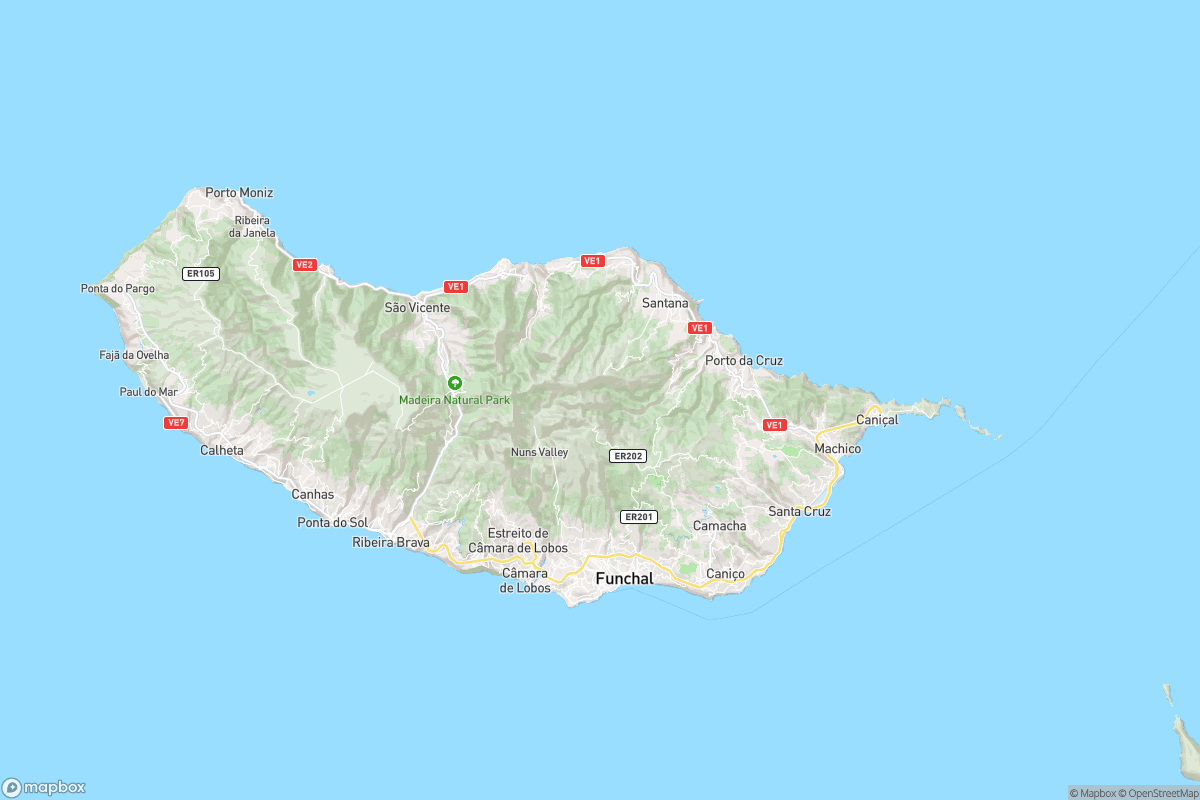
Keep longer hikes separate from ambitious sightseeing circuits. Include the journey to the start, parking, preparation and the return transfer in your estimate, not just walking time. Without a car, compare an organised outing with a booked transfer and check the return arrangements before leaving.
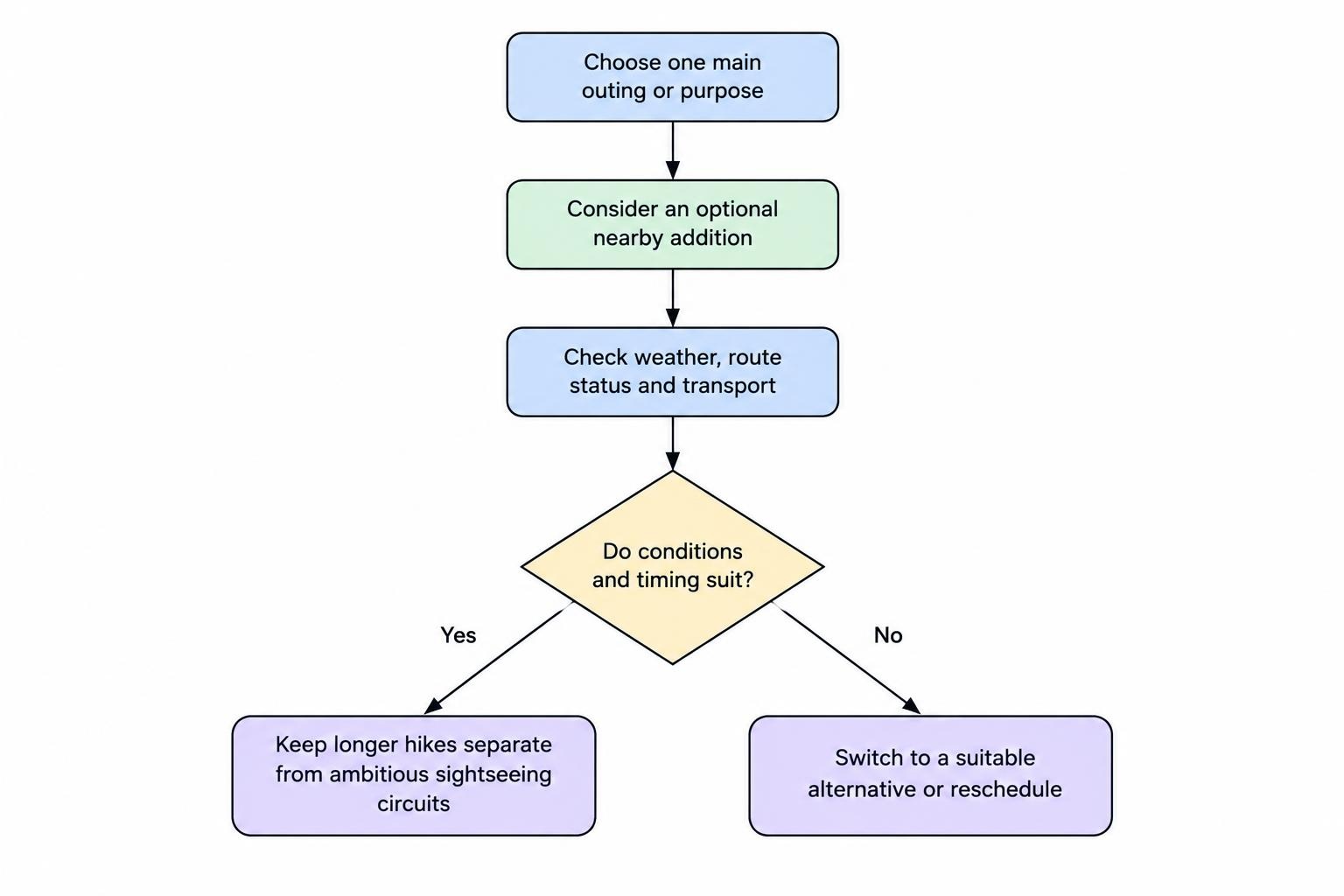
Keep an indoor alternative for poor weather, such as a museum visit or a booked wine tasting. A garden is not automatically a rainy day substitute for a mountain walk, particularly when conditions are wet and windy.
For a first visit, the seven day Madeira itinerary provides a framework for arranging these outings. Choose the activities you care about most, leave room to move weather dependent plans, and resist the urge to make every day the busiest one.