Madeira in winter suits travelers who want coastal walks, gardens, food and time outdoors without building the whole trip around beach weather. The trade is straightforward: mild conditions near sea level, but rain, wind and mountain cloud can change your plans.
The best approach is to keep outdoor days movable and choose accommodation that works just as well on a wet evening as a sunny afternoon. Winter is less suitable if your holiday depends on completing one mountain hike or swimming every day. For a comparison with the rest of the year, see the guide to the best time to visit Madeira.
What is Madeira’s winter weather really like?
For trip planning, winter generally means December, January and February. Funchal’s coastal weather is mild rather than tropical, with cooler evenings and a greater need for waterproof clothing than summer visitors might expect.
| Month | Average daily high | Average daily low | Monthly rainfall |
|---|---|---|---|
| December | 21.0°C / 70°F | 15.5°C / 60°F | 94.8 mm |
| January | 20.0°C / 68°F | 14.3°C / 58°F | 67.1 mm |
| February | 19.9°C / 68°F | 13.9°C / 57°F | 72.4 mm |
These figures come from IPMA’s climate normals for Funchal, measured at a station just 58 meters above sea level. They are not forecasts, and they should not be used to judge conditions on the island’s mountain trails.
Monthly rainfall totals also tell you little about how an individual holiday will unfold. Do not read them as a timetable of rainy afternoons, or assume a lower monthly total guarantees a dry week. Plan for change rather than trying to choose the perfect seven days months ahead.
The coast and mountains need different plans
The south coast is generally warmer and drier than the north and higher ground. Sunshine beside the sea can coincide with fog and colder conditions in the mountains. Winter sea temperatures are around 18°C / 64°F, which some swimmers find comfortable and others do not. These contrasts are covered in the Madeira Tourism Board’s weather information.
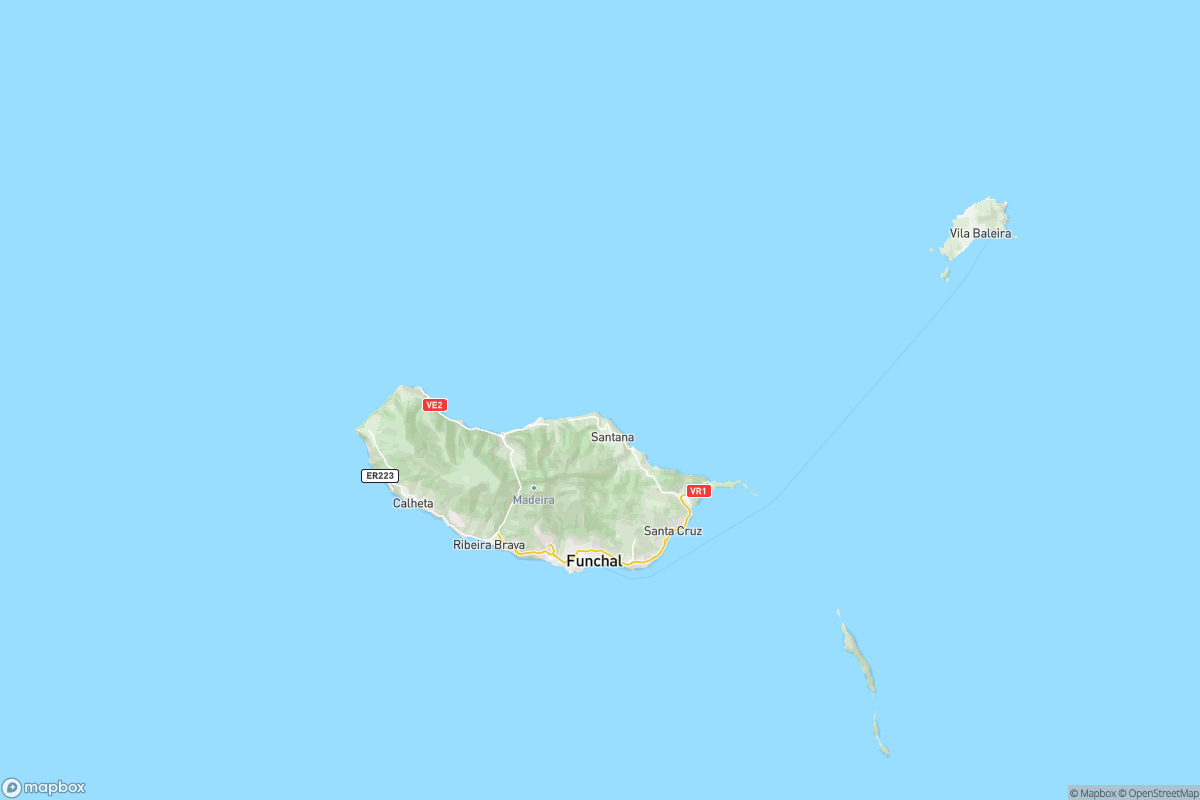
Check the forecast for the place you intend to visit, not just Funchal. A city forecast is a poor basis for choosing clothing for a high viewpoint. Webcams can help assess visibility, but a clear image does not replace weather warnings or an access check.
December, January or February?
December: choose it for the festive atmosphere
December makes sense if Christmas celebrations are part of the reason for traveling. Funchal’s street events and the New Year’s Eve fireworks give the trip an evening focus beyond restaurants and sightseeing.
The published Madeira Christmas and New Year festivities run from December 1, 2026, to January 10, 2027. Those dates apply to that festive season; check the programme again if you are planning another year.
For a New Year visit, choose your accommodation and evening arrangements together. Ask whether dinner is compulsory, whether a quoted package includes it, and how you will return afterward. A room that looks convenient on a map may involve a steep walk home.
January and February: choose them for a flexible break
For a trip without the Christmas focus, prioritize the accommodation, flight schedule and cancellation terms rather than expecting a large weather difference between January and February. Neither month gives you a dependable mountain forecast at booking time.
Do not assume the word “winter” guarantees a bargain. Compare the full cost of your dates, including baggage, airport transport, parking and any hotel meal requirements. If a heated pool matters, confirm that it operates during your stay rather than relying on a pool photograph.
Hiking in Madeira in winter
Winter hiking needs a route shortlist, not a fixed sequence. Choose walks by exposure, distance, footing and escape options, then check whether the conditions suit your ability that morning. A route being famous does not make it the right choice for the day.
Keep high mountain walks separate from your easier alternatives. Do not make a trip successful only if you complete the route between Pico do Areeiro and Pico Ruivo. Equally, do not assume a coastal path is sheltered: assess Ponta de São Lourenço on its own forecast rather than treating it as an automatic substitute for the peaks.
Official access checks matter as much as weather checks. The current system for classified trails managed by IFCN uses advance reservations through SIMplifica, with entry slots and applicable fees. Consult IFCN’s trail status and booking guidance before choosing a route, and recheck it before departure. Do not rely on an old blog post or a saved screenshot.
Leave enough daylight for a slower walk than expected. Carry a waterproof layer, warm clothing, food, water, a charged phone and a headlamp where the route requires one. Save your booking confirmation and route details before leaving reliable internet access.
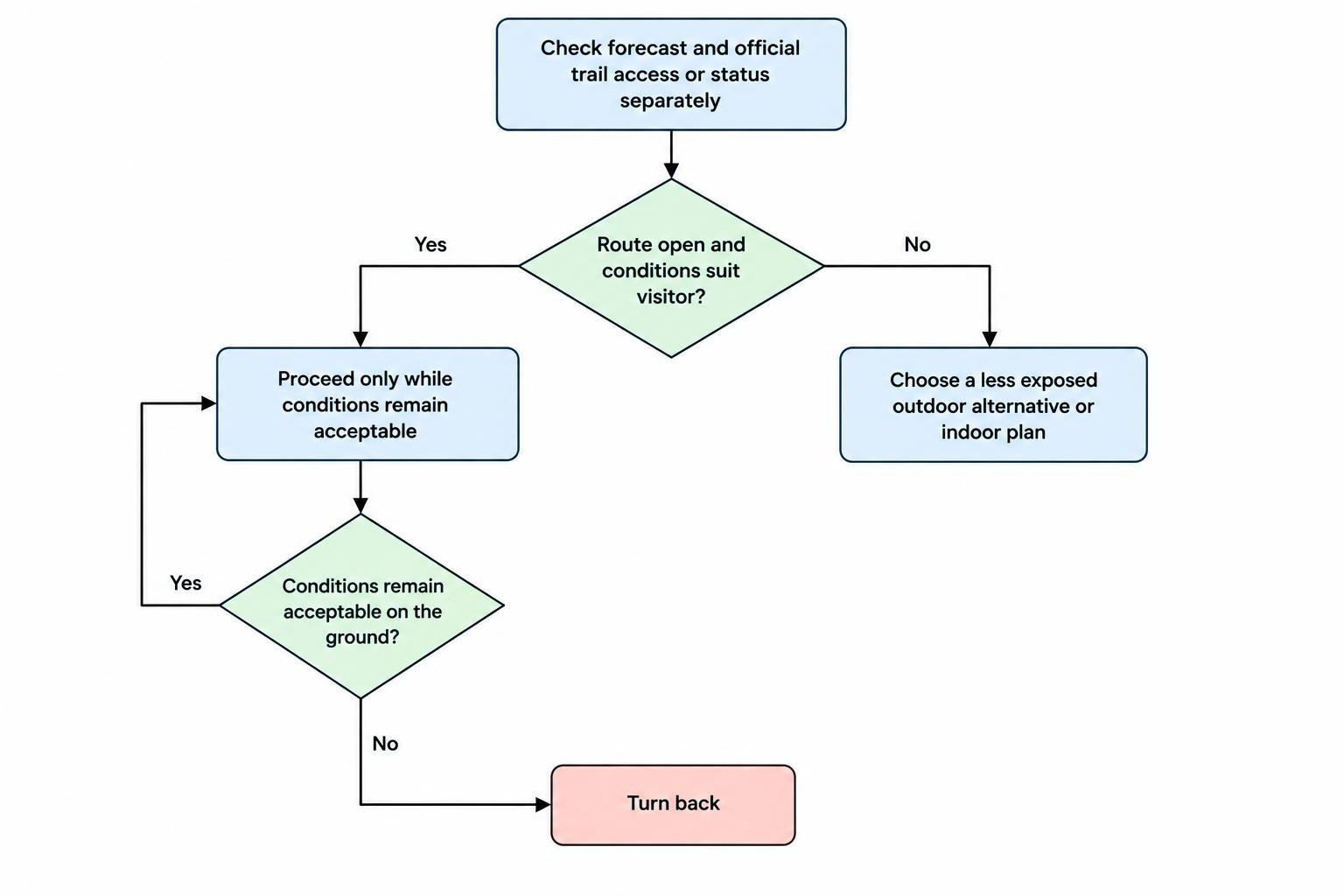
A forecast that looks acceptable does not oblige you to continue if the conditions feel wrong on the ground. Turn back rather than squeezing past a barrier, crossing moving water or pressing on because you have already paid for transport.
Use IPMA’s Madeira weather warnings alongside the trail information, selecting the relevant coastal or mountain area. Treat the forecast and access status as separate checks. An open trail is not a promise that every visitor will find it suitable.
What to do when the weather changes
Use a dry spell for gardens and city walks
A mixed forecast does not have to mean abandoning the outdoors. Give gardens, town walks and short sightseeing stops their own place in the trip rather than treating them as consolation prizes after a canceled hike.
For a garden visit, favor a day when you can enjoy being outside without rushing between showers. Check the return transport before setting off, and avoid attaching a tight dinner reservation to an outing with several moving parts. The same applies to cable car trips: check that the service is operating before making it central to the day.
Keep a proper indoor day ready
Funchal is useful for a day built around a museum, a long lunch and an indoor tasting rather than a succession of weather dependent stops. One substantial visit usually works better than racing around several attractions with wet coats.
The Museum of Sacred Art in Funchal holds Flemish and Portuguese painting, sculpture and religious metalwork. It offers a focused alternative to another viewpoint when visibility is poor. Check opening days before assigning it to your rainy day plan, particularly around public holidays.
If you book a wine tasting, arrange transport so nobody has to drive afterward. Keep some time unbooked too. A winter itinerary becomes much easier to manage when a change of plan does not require canceling three other reservations.
Swimming, coastal visits and boat trips
Swimming should be an option, not the foundation of a winter holiday. Water temperature is only one part of the decision. Check the conditions and operating arrangements at the bathing area, follow barriers and staff instructions, and do not enter if you are uncertain.
A sea view can still make a coastal outing worthwhile without a swim. Choose a café, a town walk or a safe viewing area as the main purpose, with water access as a possible extra. That avoids driving across the island for a single activity you may decide against.
Whale and dolphin watching remains possible in winter. The International Whaling Commission’s Portugal profile identifies Madeira as a destination for watching cetaceans throughout the year. That does not guarantee a sailing or a sighting on your chosen date.
If a boat trip matters to you, consider booking it early in your stay, leaving room for an alternative date. Ask about weather cancellations, refunds and rebooking before paying. Choose the boat format with your comfort in mind, and be realistic about whether everyone in your group enjoys time at sea.
Where to stay in Madeira during winter
For a first winter visit, consider Funchal if you want restaurants and indoor alternatives close to your accommodation. The practical test is simple: would you still enjoy the location if you decided not to drive or take an excursion for a day?
Compare the room’s exact position, not just the neighborhood name. Check the slope between the property and the places you expect to use, whether the return walk is comfortable after dinner, and whether parking is included. The guide to where to stay in Funchal covers the area choices in more detail.
A quieter coastal or rural property can also work, provided you are happy spending an evening there. Before booking, ask about heating, ventilation, somewhere to dry clothing and the nearest dependable dinner option. A terrace is welcome, but a comfortable room matters more when you are staying indoors.
For families, confirm pool heating, indoor access and any age restrictions directly with the property. For anyone with reduced mobility, ask about the actual route from the entrance to the room and restaurant rather than accepting a broad accessibility label.
Do you need a car in winter?
A car gives you more freedom to change destinations, but rent one only if you are comfortable with the driving involved. Avoid making your first drive after arrival a complicated mountain outing. Start with a straightforward route and leave time to get used to the vehicle.
Plan the return journey before leaving, including parking, daylight and any current road restrictions. Do not follow a suggested shortcut simply because the navigation app offers it. If conditions deteriorate, change the outing rather than trying to preserve the original schedule.
Without a car, use a base that works for ordinary days as well as excursions. Combine local outings with selected tours or transfers, and check the return arrangements before committing to a walk. The seven days in Madeira without a car itinerary provides a fuller framework; in winter, keep the order of outdoor days flexible.
What to pack for a winter trip
Pack for several activities rather than one average temperature. Clothes for lunch beside the sea will not necessarily be enough for an exposed viewpoint or a long walk. Prioritize layers that you can add, remove and dry without much trouble.
- A waterproof jacket with a hood: choose something practical to wear while walking, not just for dashing between buildings.
- A warm middle layer: keep it accessible rather than buried beneath everything else.
- Footwear suited to your walks: bring a separate dry pair for evenings.
- Protection for your belongings: keep spare clothing and electronics inside a dry bag or waterproof liner.
Add a swimsuit if swimming or a hotel pool appeals, but leave room for the clothing you will use most. The full Madeira packing list covers the broader checklist; winter calls for particular attention to waterproofing and spare layers.
How to make a winter visit work
If mountain views and outdoor activities are priorities, favor a stay with room to rearrange days over a short visit with every hour assigned. Keep one high priority outing, one less exposed alternative and one indoor plan available, then choose between them using the forecast and official notices.
Madeira is a good winter choice when you want a varied break and can accept that the weather gets a vote. Book a comfortable base, check cancellation terms and leave space in the schedule. You do not need perfect conditions every day; you need plans that still work when conditions change.