Pack for Madeira with light layers, a hooded waterproof jacket, comfortable shoes with good grip, and swimwear. Add hiking boots and a properly stocked daypack if walking trails feature in your plans. The aim is to cover coastal outings, cooler evenings and mountain weather without bringing three separate wardrobes.
Sunshine by the sea does not guarantee clear conditions higher up. Madeira’s mountains can be cooler and foggy while the coast stays warm, a contrast covered in the Madeira Tourism Board’s weather information. Pack for the places you intend to visit, not just the forecast beside your hotel.
A Practical Madeira Packing List for Seven Days
The quantities below suit a week combining sightseeing, a few walks and time by the water. Treat them as a starting point rather than a luggage allowance to fill. With access to laundry, you can reduce the clothing and use much the same list for a longer stay.
| Category | Suggested items | Adjustments |
|---|---|---|
| Everyday clothes | Four or five tops, two pairs of trousers, one or two pairs of shorts, underwear and sleepwear | Choose pieces you can wear in several combinations |
| Outer layers | One fleece or sweater and one hooded waterproof jacket | Add warmer insulation for cold mountain outings |
| Footwear | Comfortable walking shoes and sandals | Bring hiking boots for a walking holiday |
| Swimming | One or two swimsuits, a compact towel and a wet bag | Add water shoes if your chosen bathing spots warrant them |
| Daily essentials | Daypack, refillable bottle, sunglasses, sun hat and sunscreen | Add walking equipment for trail days |
| Travel essentials | Travel documents, payment cards, medication, phone charger and suitable plug adapter | Check requirements for your nationality and booked activities |
Wear your bulkiest shoes and outer layer while travelling if that keeps your bag manageable. Leave some space for purchases rather than packing to the point where closing the suitcase becomes a team sport.
Clothes That Work Beyond the Hotel
Build your clothing around three layers: a comfortable top, a warmer middle layer and a waterproof outer jacket. You can wear them separately or together, rather than relying on one heavy coat that feels excessive once conditions improve.
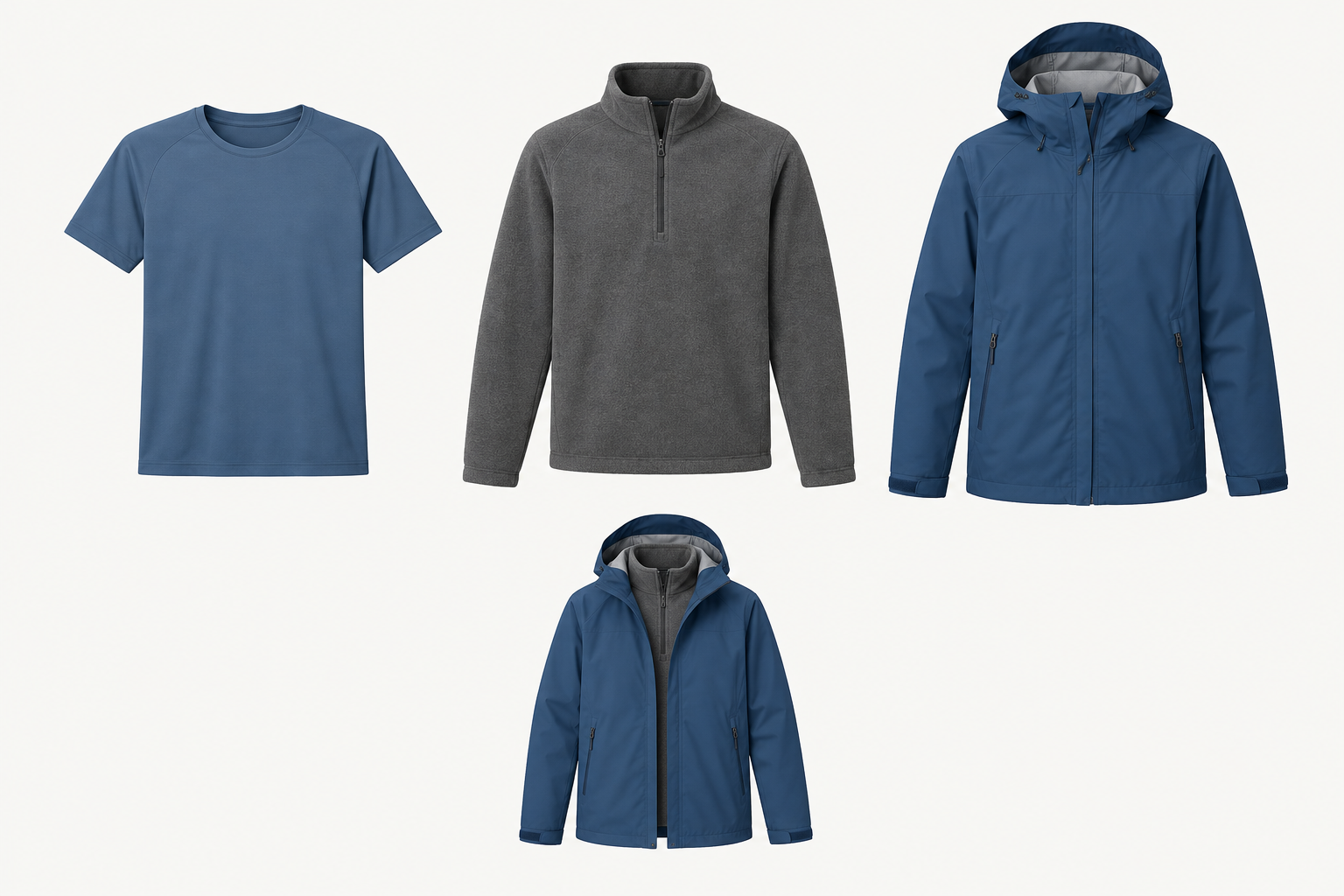
For daytime sightseeing, pack breathable tops with shorts, light trousers or skirts, depending on your preference. Include at least one pair of full length trousers even on a summer trip. Choose clothes you can sit, walk and climb steps in without constantly adjusting them.
For active days, favour clothing that dries readily and allows a full stride. Keep a separate clean top for evenings rather than packing an entirely different outfit for every dinner. One shirt, blouse or simple dress, with trousers or shoes you already intend to bring, is a sensible starting point. Check the dress policy of any formal restaurant you book.
A waterproof jacket deserves more attention than another spare top. Look for a secure hood, comfortable movement through the shoulders and enough room for your fleece underneath. Try it on with your daypack before departure. A jacket that fits neatly over a T-shirt may feel restrictive over warmer layers.
Adjust Your Packing for the Season
Summer and winter do not need completely different packing lists, but the balance changes. IPMA’s 1991–2020 climate normals for Funchal show much lower average rainfall in July and August than in the wetter autumn and winter months. Those coastal averages are not a forecast for a mountain walk.
For summer, give more space to light tops, shorts and swimming clothes, but retain the waterproof jacket and a warm layer. For autumn and winter, bring more long trousers, spare socks and clothing you can rotate if something gets wet. A compact insulated jacket may be useful for planned cold conditions at altitude; it need not replace lighter clothes for coastal days.
Spring packing sits between the two. Keep the same layered approach and make your final adjustments shortly before departure. Our guide to the best time to visit Madeira covers the wider seasonal differences without turning your suitcase into a weather station.
Which Shoes Should You Take?
For a hiking holiday, pack broken-in hiking boots with reliable tread. For a town-focused stay, comfortable walking shoes may be enough. Choose footwear around your actual routes and activities, not around how outdoorsy the trip sounds on paper.
Check fit before leaving home. Your toes should have room, your heel should stay secure, and the shoes should feel comfortable with the socks you intend to wear. Walk in them on slopes and steps if possible. Discovering that a boot rubs halfway through your first holiday walk is an avoidable experiment.
Bring sandals for relaxed outings or accommodation use, but do not count them as your walking footwear. If space is tight, prioritise one dependable walking pair over several casual alternatives. A second lightweight pair can be useful while the first dries.
Pack enough suitable socks to change after a wet or sweaty outing. Keep one clean pair aside for the journey home rather than letting every pair enter the hiking rotation.
What to Pack for Madeira’s Hiking Trails
Prepare your walking bag separately from your sightseeing bag. Madeira’s official advice to walkers recommends waterproof clothing, spare clothes, food, drink, navigation equipment and other safety items. It also identifies a torch as useful on routes that pass through tunnels.
Use a comfortable daypack that carries your equipment without needing bags hanging from its straps. Pack the waterproof jacket somewhere accessible, rather than underneath lunch. Protect spare clothing and electronics inside a waterproof liner or separate dry bags; a pack cover alone need not be your only defence.
- Clothing: a warm layer, waterproofs and dry spare clothing, with a warm hat and gloves for the planned conditions.
- Food and water: enough for the route, plus a reserve for delays.
- Navigation and communication: route information, a suitable map, compass, charged phone and backup power.
- Small safety items: a whistle, compact first aid supplies and a headlamp where needed.
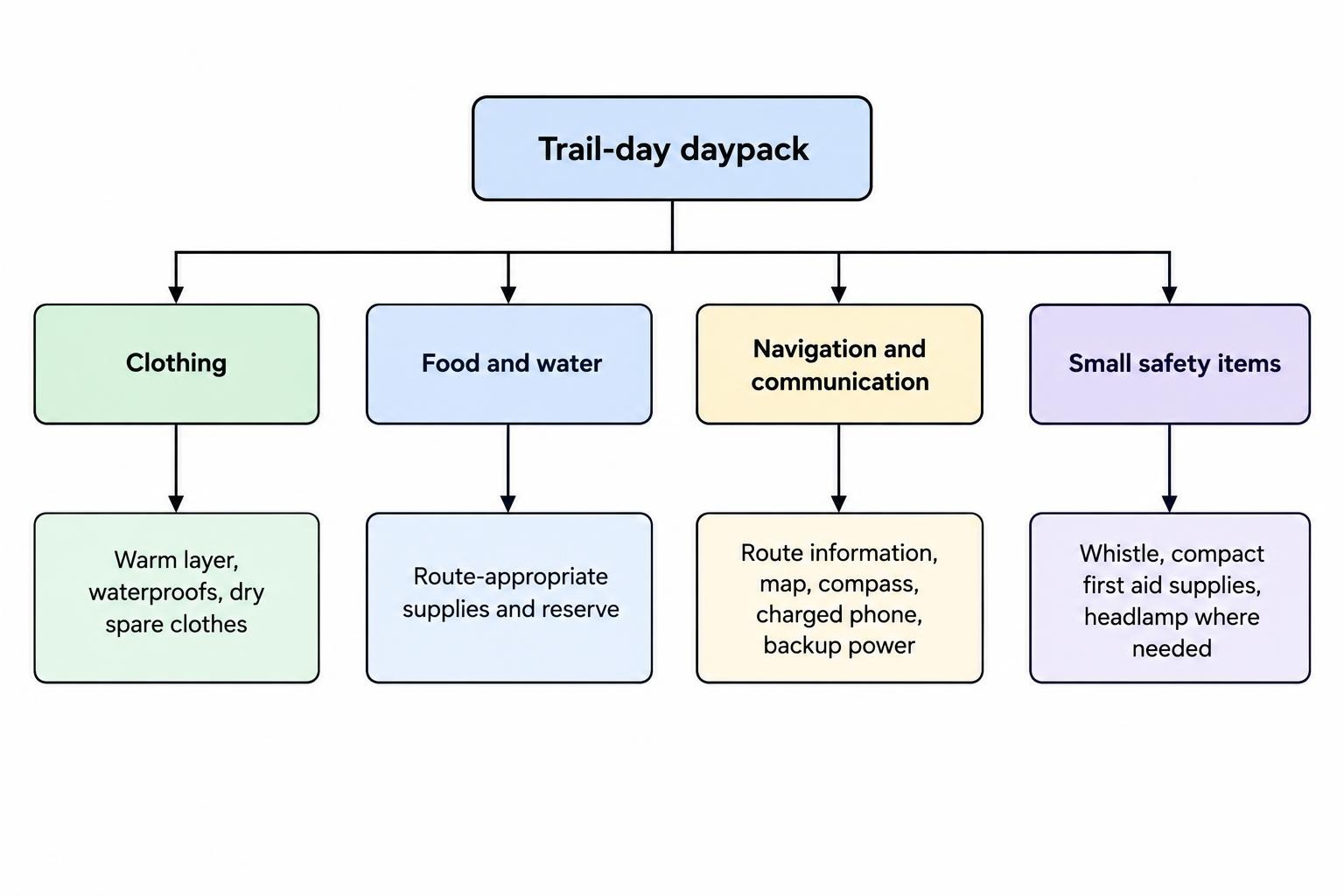
Choose your water capacity after considering walking time, exertion and the forecast. Do not make a small bottle work simply because it fits an outside pocket. Keep snacks accessible and carry a bag for your rubbish, including used tissues.
Before departure, check the equipment against the route rather than assuming this general list covers every walk. Our Madeira hiking guide provides the broader planning context. No item of clothing makes a closed route, severe weather or a walk beyond your ability a reasonable choice.
Swimming, Natural Pools and Boat Trips
Pack a swimsuit even if swimming is only a possibility. A compact towel and a separate bag for wet clothes make it easier to combine a bathing stop with other plans. A second swimsuit is convenient if you expect to swim on consecutive days, but it is optional.
Choose accessories around the places you plan to use. Our guide to Madeira’s beaches and natural pools helps distinguish different bathing settings. Water shoes may be useful for some entries and surfaces, but they do not make rough water safe or replace following local warnings.
Keep sunscreen, sunglasses and a sun hat in your everyday bag rather than reserving them for beach days. For a boat trip, bring a windproof outer layer and a secure pouch for your phone. Ask the operator what clothing and equipment the outing requires before packing extra specialist items.
Plug Adapters, Chargers and Electronics
Madeira uses Portugal’s electrical system: 230 volts at 50 hertz, with Type C and Type F plugs. Travellers with US or UK plugs need a suitable adapter. An adapter changes the connection, not the voltage; Electrical Safety First’s Portugal guidance covers both plug compatibility and voltage checks.
Read the input label on each charger or appliance before packing it. Equipment marked for an input range covering 230 volts can be used within that stated range with the appropriate connection. Do not assume a hairdryer, straightener or other appliance has the same voltage compatibility as your phone charger.
Bring the cables you actually use, and check whether one suitable charger can serve several devices. Download accommodation details, maps and booking confirmations before departure. Keep important information available offline rather than depending on finding a connection at the moment you need it.
Documents, Medication and Personal Items
Keep your passport or other accepted travel document, booking details, insurance information and payment cards together but accessible. Save copies separately. Check entry requirements for your nationality before travelling; a packing list cannot settle passport validity or visa questions.
If you have hired a car, review the rental company’s document and payment requirements before departure. Bring the documents it requests rather than relying on a photograph of them. For activities, save any booking confirmation or access document you have been instructed to carry.
Keep essential medication in your cabin bag, preferably in its labelled packaging, with relevant prescription information. Check any transport or entry restrictions that apply to your medicines. Pack familiar toiletries in quantities that suit the trip, and confirm what your accommodation supplies before adding bulky duplicates.
Packing Madeira Essentials in Cabin Baggage
A cabin bag can work for a week if you repeat outfits and keep footwear under control. Check the dimensions, weight allowance and number of bags included in your fare before choosing your luggage. Measure the packed bag, including its wheels and handles, rather than trusting its marketing label.
For departures from EU airports, the EU cabin baggage rules specify liquid containers no larger than 100 ml inside a transparent bag with a maximum capacity of one litre, with exceptions including medicines and baby food. Check your departure and connecting airports for screening instructions before travel.
Decide how you will handle sunscreen and other liquids before filling your toiletry bag. Smaller containers may suit a short trip; alternatively, plan to buy larger everyday toiletries after arrival. Keep anything needed during the flight accessible, and pack a change of clothes in the cabin if you are also checking a suitcase.
Power banks and spare batteries belong in cabin baggage, not checked luggage, with protection against short circuits. Follow EASA’s guidance on batteries and dangerous goods and check your airline’s capacity and use restrictions. If your cabin bag is taken for loading into the hold, remove these items first.
What You Can Leave at Home
Skip duplicate jackets that serve the same purpose, shoes you have never worn comfortably, and bulky equipment for activities you have not booked. Confirm towel and hairdryer availability with your accommodation rather than guessing either way.
Pack an umbrella only if you expect to use it for town outings; do not treat it as a substitute for your walking waterproofs. Avoid filling the remaining space with extra outfits just because they fit.
Before closing the bag, put your first day’s equipment together. You should be able to find your shoes, jacket, documents and charger without emptying everything onto the floor. A useful Madeira packing list leaves you ready for the planned day, with enough flexibility to change it.