Seven full days is a sensible starting point for a first Madeira itinerary. That gives you room for Funchal, coastal drives, a mountain outing, a levada walk and some time that is not already spoken for. Three days works for a shorter introduction; ten days lets you slow down, add more walking or consider Porto Santo.
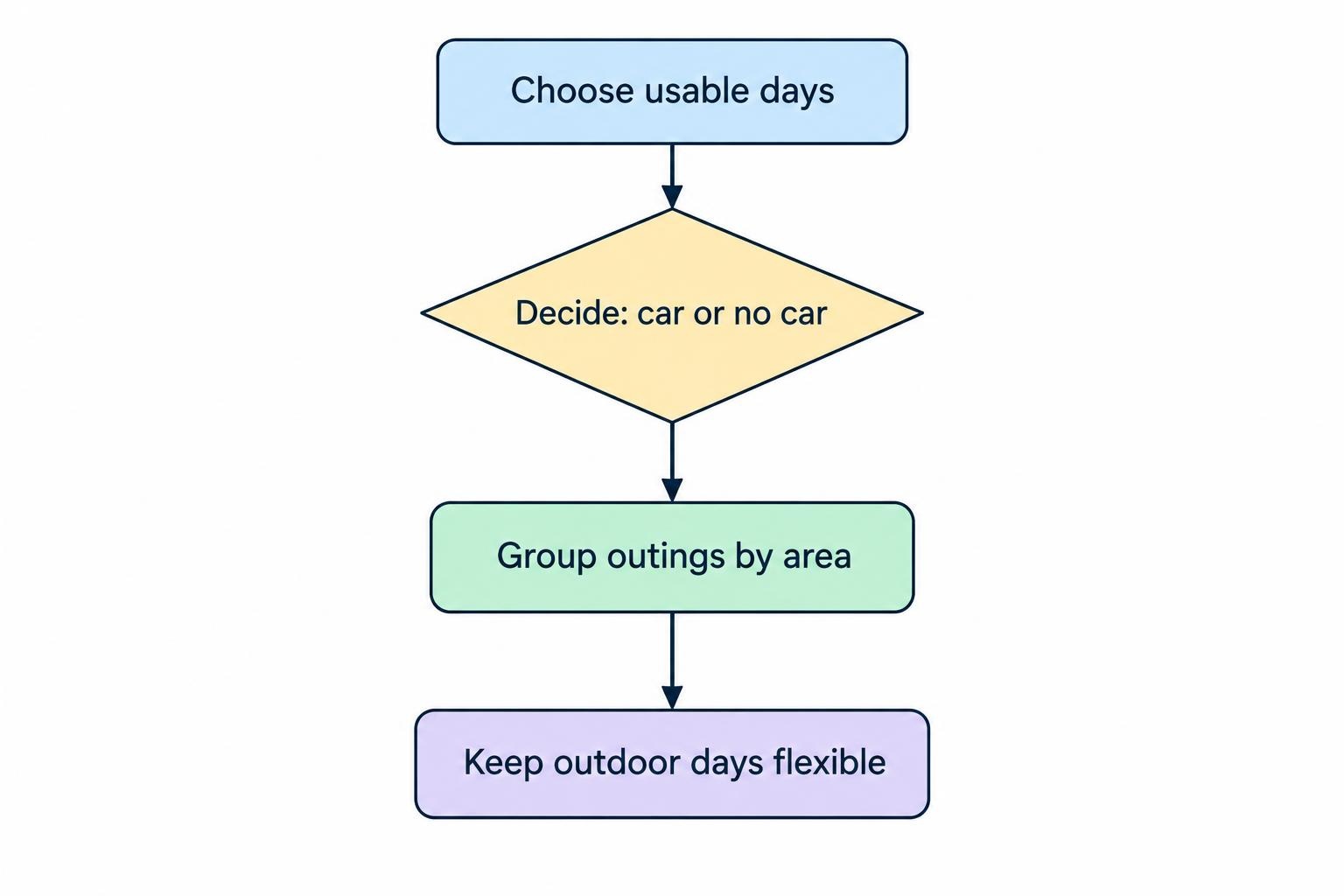
The best route depends less on how many attractions you can name than on how you want to spend each day. Choose your trip length, decide whether you will drive, then group outings by area. Keep the order flexible rather than attaching every mountain view and swimming stop to a fixed date.
How Many Days Do You Need in Madeira?
Count usable sightseeing days, not hotel nights. An evening arrival and a morning departure contribute very little to an itinerary. The suggestions below assume full days on Madeira, with travel days handled separately.
| Available time | Suggested approach | What to leave out |
|---|---|---|
| 3 days | Funchal, one regional outing and one nature day | A complete island circuit and several long walks |
| 5 days | Add separate east and northwest outings | Porto Santo unless it is a main priority |
| 7 days | Combine town, coast, mountains and walking with a flexible day | The need to fill every afternoon |
| 10 days | Allow slower regional visits, extra hikes or an island extension | Daily hotel changes and unnecessary repeat drives |
For a walking focused holiday, protect more time than the table might suggest. A route deserves space for getting there, preparation, breaks and recovery. For a sightseeing holiday, use the same principle: one main outing and a few nearby stops usually makes a better day than six unrelated destinations.
Build Your Route Around Areas, Not Attraction Lists
Madeira’s geography gives you a useful planning framework: Funchal and other south coast towns, the north coast, the eastern end, the west and the central mountains. These areas offer different combinations of settlements, forest, bathing places and high ground, reflected in the Madeira Tourism Board’s regional overview.
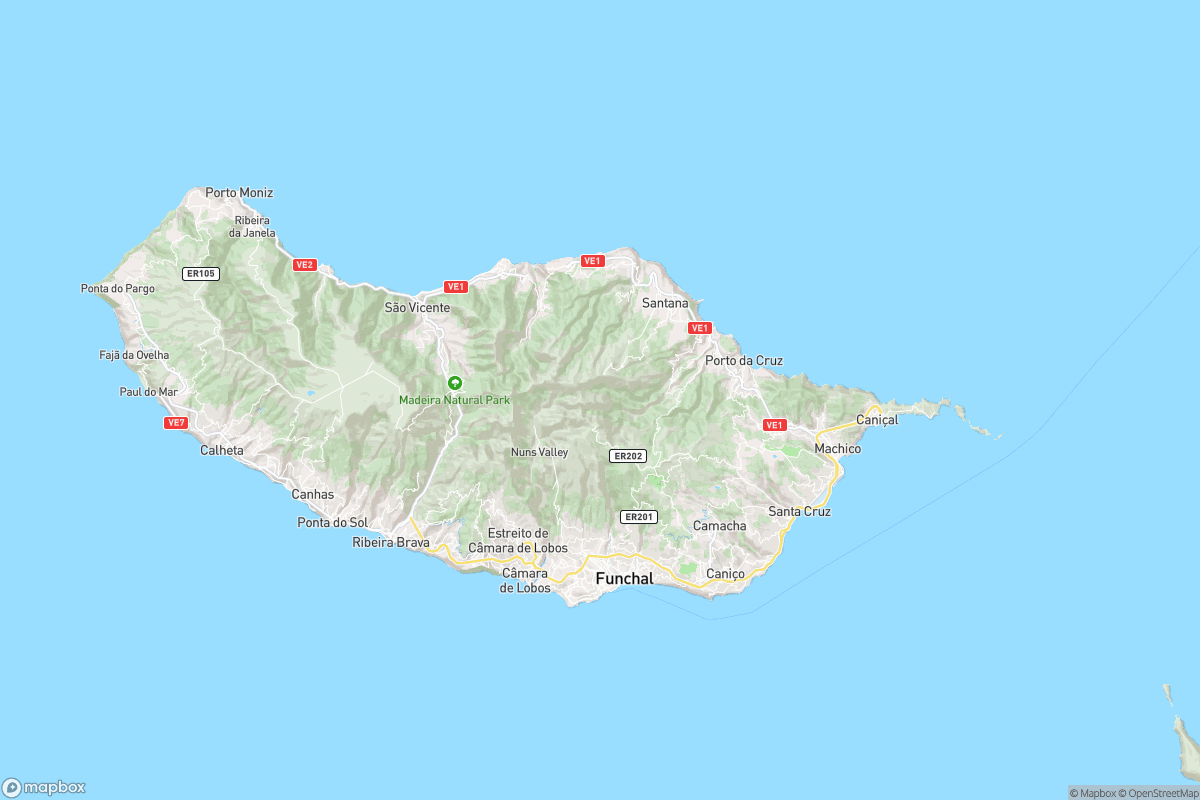
For planning purposes, treat Funchal as its own day rather than something squeezed between airport transfers. Group Machico and the eastern peninsula into an eastern outing. Give the northwest its own day, and keep a mountain visit separate from a demanding walk elsewhere.
These are planning groups, not instructions to visit everything within them. A northwest day might concentrate on coastal stops, or give more time to forest scenery. An eastern day might revolve around a walk, or favor towns and viewpoints instead.
Once you choose the main activity, make everything else optional. If swimming matters, protect an afternoon for it. If photography matters, allow time to wait rather than promising yourself another viewpoint every half hour. A map is not a timetable.
Madeira in 3 Days: Choose a Clear Priority
With three full days, stay in one place and accept that this is an introduction. The most useful structure is one Funchal day, one regional sightseeing day and one day built around your main outdoor interest.
Day 1: Funchal. Spend time around the center, waterfront and Old Town. Add a garden visit in Monte if that interests you, but leave enough time to enjoy it. You do not need to visit several gardens simply because they appear close together on a map.
Day 2: Choose east or northwest. Pick the eastern side if Machico and the Ponta de São Lourenço area appeal most. Choose the northwest if your priorities are Seixal, Porto Moniz and forest scenery. Avoid combining both into a single grand circuit.
Day 3: Make it your nature day. Choose a suitable open walking route, a mountain outing or a gentler coastal day. Decide using conditions, transport and your group’s ability, not a photograph taken in different weather.
The Madeira in 3 days itinerary develops this shorter route. If you have only two full days plus arrival and departure, remove an outing rather than borrowing time that you do not actually have.
Madeira in 7 Days: A Balanced First Visit
A week gives you enough room to separate the island’s main experiences. Use the following sequence as a starting arrangement, then move outdoor days around when conditions and reservations allow.
Days 1 and 2: Begin with Funchal, followed by an eastern outing. Make one of these days relatively gentle, especially if your travel day was tiring. On the eastern day, choose between a substantial walk and a broader sightseeing route rather than treating both as compulsory.
Day 3: Focus on the northwest. Porto Moniz’s natural pools, Seixal’s black sand beach and Fanal’s forest provide different reasons to visit this area. Choose where you want to spend time before adding more stops; the official Porto Moniz visitor guide covers these places within the municipality.
Days 4 and 5: Give one day to a mountain outing and another to a suitable levada or forest walk. Avoid putting your two most demanding days together unless everyone wants that pace. A sightseeing afternoon can still feel like work after a long morning on foot.
Days 6 and 7: Plan a gentler south or southwest outing, then retain a flexible day. Use it for an activity postponed earlier, another walk, a booked boat trip or more time in Funchal.
The Madeira in 7 days itinerary expands this framework into a fuller route. The spare day is deliberate: it gives the rest of the week room to work.
Madeira in 10 Days: Add Time, Not Just Stops
Ten days should feel less hurried than seven. Keep the weeklong framework, then decide what the extra three days are for. Adding another demanding outing every day defeats much of the benefit.
Walkers can use the extra time for another route and a recovery day. Travelers more interested in towns, food and swimming can give longer afternoons to places that would otherwise become brief stops. Families might prefer shorter outings with an unplanned afternoon between them.
A practical starting arrangement is the seven day plan followed by one additional walking day, one slower coastal day and one uncommitted day. Reorder these throughout the stay rather than saving all the breathing space for the end.
You can also consider a second accommodation base, provided it serves the route. Do not move simply to make the itinerary look more adventurous. The Madeira in 10 days itinerary covers longer stay options without turning the trip into ten consecutive early starts.
Choose Your Base Before Fixing Every Day
For a first visit, consider Funchal if you want a town based stay and intend to combine independent outings with organized transport. Check the accommodation’s actual location, though. “Funchal” is not a promise that every departure point, restaurant or attraction will be a comfortable walk away.
With a car, compare accommodation against the outings you care about most. Look beyond the nightly rate to parking arrangements, access and the drives you will repeat. A property that suits a quiet coastal holiday may not suit a week centered on early walking departures.
Three days rarely needs a hotel change. For seven days, one base is a straightforward default. With ten days, consider splitting the stay only if it reduces repeated travel or gives you time in an area you want to experience at a slower pace.
Use the guide to where to stay in Madeira to compare areas before booking. Accommodation should support your itinerary, not require you to rebuild it after the reservation is made.
Can You Follow a Madeira Itinerary Without a Car?
Yes, but build it around transport from the beginning. Do not copy a driving itinerary and assume each connection will work by bus. The important question is not whether a service reaches an area, but whether its stops and departure times suit your outing.
Check outward and return journeys together using the official SIGA bus timetables. Match the service to your travel date and confirm the stop you need. A town center stop and a walking route’s starting point are not interchangeable.
For each remote outing, decide how you will return before leaving. A prearranged transfer or organized excursion may suit a day that would otherwise require awkward connections. For a walk that finishes somewhere different, confirm both ends of the journey.
A workable car free week might combine Funchal days, selected bus outings and a few days with booked transport. It does not need to reproduce every stop in a rental car route to be worthwhile.
The 7 days in Madeira without a car itinerary focuses on that approach. Fewer destinations with dependable connections is preferable to a crowded plan built around hopeful ones.
Keep Outdoor Days Flexible and Check Walking Access
Keep the order of outdoor outings provisional until you have checked forecasts, access and bookings. Prepare a lower effort alternative for each ambitious day: a town visit, an indoor attraction or a shorter outing that remains suitable for the conditions.
Flexibility has limits once you book activities. Classified walking routes managed by IFCN use advance reservations through SIMplifica, with entry slots and applicable fees. Registration also applies to people exempt from payment. Check the IFCN walking route status and reservation rules before fixing transport or assuming a route is available.
Check the exact route, not just the destination name. Visiting a mountain viewpoint, completing a summit walk and following a route between peaks are different plans. Each needs its own assessment of access, effort and transport.
For swimming days, treat entering the water as conditional rather than guaranteed. Keep another reason to visit the area, respect closures and local instructions, and be willing to shorten the outing. An itinerary is a plan, not an obligation to complete an activity.
Should You Include Porto Santo?
Consider Porto Santo as a deliberate extension, not an extra destination to squeeze into an already crowded week. Decide what you would remove from Madeira before adding it.
The ferry crossing takes approximately two hours and fifteen minutes each way, before boarding and onward travel, as listed in the Porto Santo Line passenger information. That travel commitment deserves a place in the plan, even if the sailing times suit a same day return.
For a three day Madeira stay, keep the focus on Madeira unless Porto Santo is the main purpose of your trip. With seven days, weigh it against the outings you would give up. With ten days, an overnight stay becomes easier to consider without compressing everything else.
Compare a Porto Santo day trip with an overnight stay before reserving accommodation. Check services for your dates and leave a sensible margin before a separately booked flight.
Turn the Framework Into a Workable Daily Plan
Give each day one main purpose, then add optional nearby stops. Record the departure point, booked entry time, return arrangement and what you will do if the main activity cannot go ahead. That is more useful than a long list of attractions with no travel time between them.
Budget time as carefully as money. Include meals, parking, transfers, waiting and getting ready for walks. Keep arrival day modest and the final day compatible with your departure arrangements.
Start with the three, seven or ten day framework that matches your usable time. Remove anything that does not fit your interests or pace. A good Madeira itinerary leaves you enough time to enjoy the place you have reached, rather than constantly preparing to leave it.