Whale and dolphin watching in Madeira is worth planning around the boat, departure point and operator’s approach to wildlife, rather than the promise of the closest photograph. A good trip should suit your comfort at sea and leave room for the animals to behave naturally.
Decide whether you want a focused wildlife outing or a broader coastal cruise with refreshments and a possible swimming stop. Those are different purchases, even when both carry the same “whale watching” label. Keep some flexibility in your schedule, too: a booking secures your place on a boat, not an appointment with a sperm whale.
Which whales and dolphins can you see in Madeira?
Madeira’s steep underwater slopes and canyons bring oceanic habitat close to the coast. Bottlenose dolphins and short-finned pilot whales can be encountered throughout the year, alongside visiting and less predictable species. Sperm whales, Atlantic spotted dolphins and Bryde’s whales are among the animals associated with these waters; humpback whales and orcas are much rarer encounters. The Madeira Whale Heritage Area species and habitat profile provides useful context for these differences.
Keep a distinction between animals recorded around Madeira and animals you should expect on one excursion. A long species list describes the destination, not your afternoon. Choose a trip you would enjoy even if the encounter involves one group of dolphins rather than several whale species.
Ask the guide to identify what you see and explain the identification. An interpretation of the animals’ movements, group structure and behavior adds more than a shouted species name. Resist treating every pause at the surface as an invitation to move closer; watching from an appropriate distance is part of the experience.
When should you book your trip?
Separate two decisions: when to visit Madeira and which departure to choose during your stay. Seasonal interests deserve their own planning, particularly if you hope to see a certain species. Our guide to the best time for whale and dolphin watching in Madeira covers that question without turning this article into a month-by-month calendar.
For the booking itself, favor an earlier day in your holiday, leaving another possible departure available. That gives you room to respond to a cancellation or use a repeat-trip offer where one applies.
Do not select a morning or afternoon sailing solely because someone calls it “the best.” Ask the operator about the expected conditions for your date and vessel. If comfort matters more than fitting an exact timetable, say so before paying.
Where do whale watching trips depart?
Funchal, Calheta and Machico are departure areas listed in the Madeira tourism board’s whale and dolphin watching guide. Start with the port that works for your accommodation, then compare the boats available there. Traveling across the island needs a better reason than an unsupported claim that one marina always has more whales.
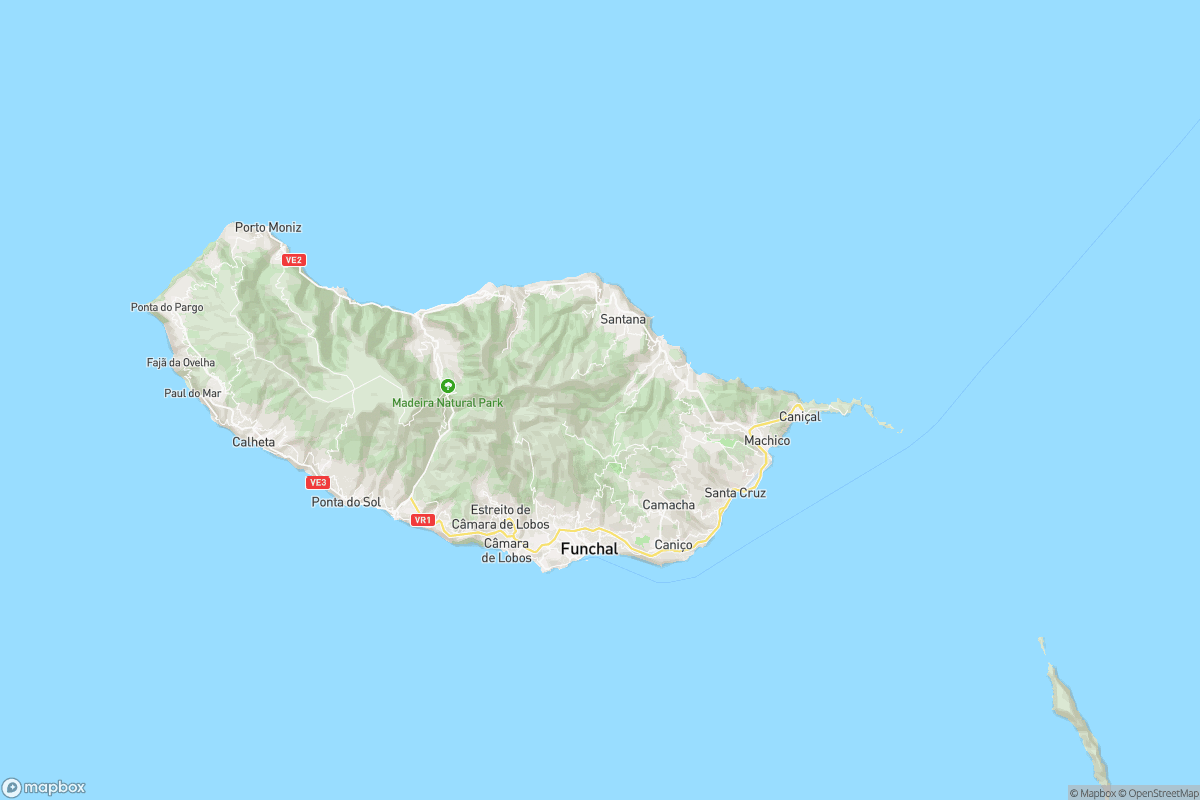
Funchal
If you are staying in Funchal, compare local departures before adding a road transfer elsewhere. Check the meeting point carefully: a ticket office, check-in kiosk and boarding berth may be separate places. Save the location supplied with your confirmation rather than searching only for the company name when you arrive.
Calheta and Machico
Consider Calheta when staying nearby in the southwest, and Machico when an eastern departure better suits your plans. Compare the complete outing: getting to the port, parking or drop-off arrangements, check-in, time aboard and the return journey.
Without a rental car, work backward from the required arrival time rather than the sailing time. Our guide to getting around Madeira can help you compare transport options. Leave a margin for the return as well; booking the last workable connection makes a leisurely boat trip unnecessarily tense.
How to choose a boat and operator
Check authorization before comparing drinks packages or passenger numbers. Commercial marine wildlife observation in Madeira requires authorization, and IFCN is responsible for authorizations and oversight under the regional framework. The institute’s marine wildlife observation requirements distinguish this regulated activity from a generic boat excursion.
Next, ask which vessel will operate your departure. Photos of a company’s fleet do not necessarily show the boat you will board. Request details about seating, shade, toilets, boarding steps and the maximum passenger number for that sailing.
| Boat option | Consider it if | Check before paying |
|---|---|---|
| Catamaran | You want to compare deck space, onboard facilities and a coastal cruise format. | Available seating, shelter, toilets and how many passengers share the viewing areas. |
| Rigid inflatable boat, or RIB | You prefer a seated wildlife outing rather than moving around a larger deck. | Seat design, exposure to spray, boarding arrangements and participation restrictions. |
| Private charter | You want your own group aboard and more say over the outing. | The full charter price, vessel facilities and what remains subject to weather and wildlife rules. |
Do not assume “small group” means comfortable, or “large catamaran” means accessible. Ask questions that relate to your needs. Can you sit throughout the trip? Is there a handrail at boarding? Does reaching the toilet involve steps? Can the crew accommodate your mobility requirements?
For children, confirm the minimum age, suitable lifejackets and seating arrangements. For pregnancy, back problems or other concerns, request the vessel’s participation policy before booking. An unsuitable boat does not become suitable because the photographs look good.
What should you budget?
Compare published fares for the actual trip rather than relying on a single island-wide price range. As a useful reference, VMT Madeira’s three-hour catamaran excursion publishes an adult fare of €40 and a child fare of €20. Its itinerary may include a swimming stop below Cabo Girão when conditions allow. Check the fare and eligibility rules for your date; this is one product, not a price promise for every operator.
Build your comparison around the total payable amount. Include transport to the marina, parking, refreshments, optional extras and any booking charges shown at checkout. A cheaper ticket can lose its appeal once a long taxi transfer is added.
Read what the advertised duration includes. Ask whether it means time aboard or the complete activity from check-in. For planning, allow space around the excursion instead of fitting another prepaid activity immediately after the scheduled return.
Also distinguish a wildlife trip from a sunset cruise that includes a search for animals. Neither format is automatically better, but the balance between searching, coastal sightseeing and time spent at a swimming stop should match what you want.
What responsible wildlife watching looks like
Madeira’s regional rules prohibit actively approaching marine mammals within 50 meters and set a maximum of 10 minutes per vessel in the observation area. Animals may approach the boat themselves; that is different from a skipper closing the gap. These provisions appear in Madeira’s marine wildlife observation regulation, particularly Article 8.
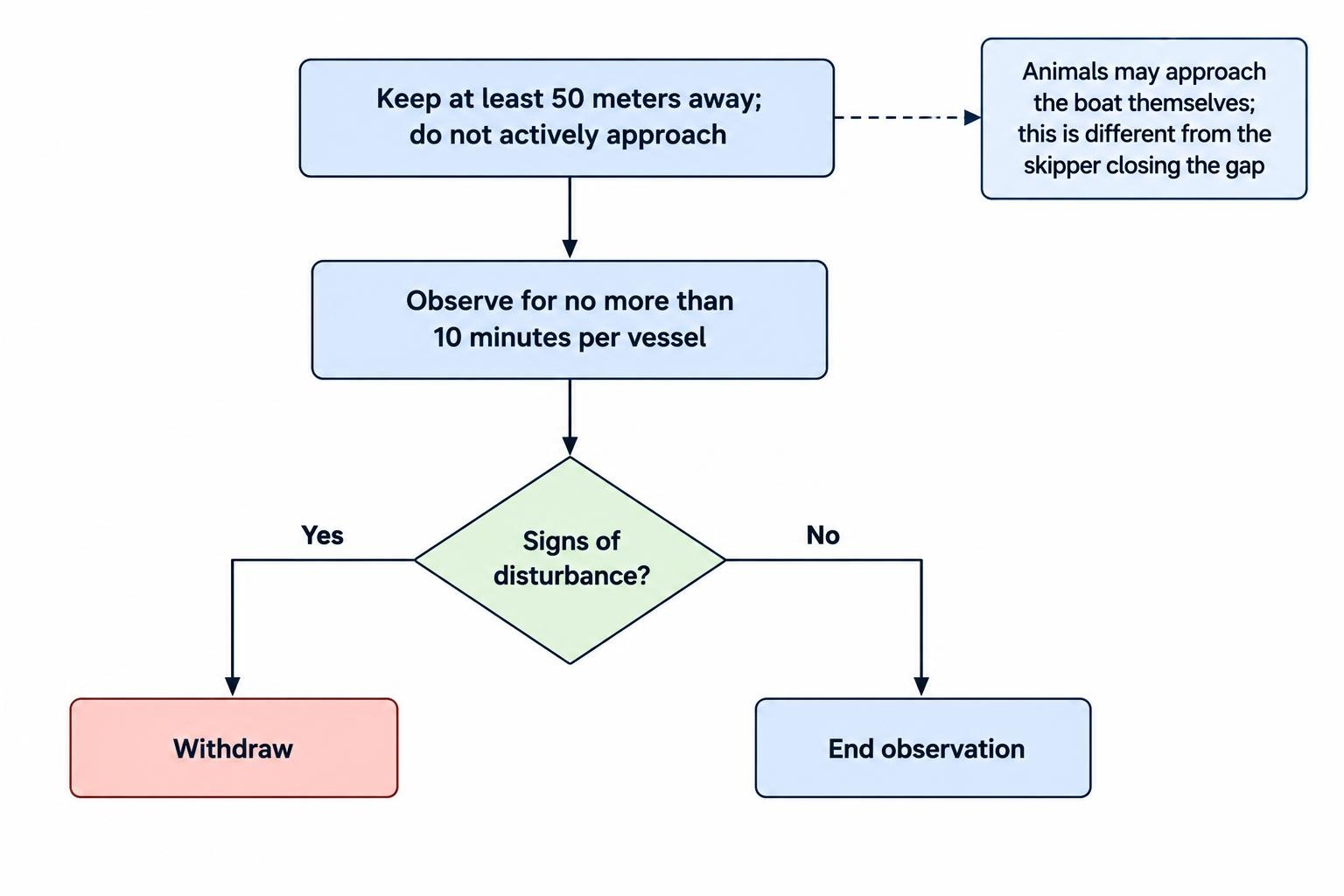
The same regulation requires vessels to withdraw when animals show signs of disturbance. A crew that leaves an encounter rather than prolonging it may be making the right decision, even if passengers still have their cameras ready.
Ask how the operator manages encounters before booking. Look for a clear explanation of approach distances, observation time and leaving animals space to move. Treat promises of touching animals or guaranteed close contact as reasons to question the product, not as selling points.
Onboard, follow the crew’s instructions and avoid pressuring them to chase another photograph. Judge the trip by the quality of the observation and explanation, not simply by how much of your camera frame an animal fills.
What to bring and how to prepare
Pack for the time you will spend aboard, including the possibility that you will sit outside throughout. Use the boat’s facilities and exposure level to guide your choices rather than dressing only for the walk from your hotel. The wider Madeira packing list covers clothing for the rest of your trip.
For the excursion, bring sun protection, sunglasses, drinking water, secure footwear and a light outer layer. Add a swimsuit and towel only if your booked trip includes an optional swimming stop. Keep your phone, camera and travel documents protected from spray.
If you are concerned about motion sickness, seek advice from a pharmacist or clinician before the departure rather than choosing unfamiliar medication at the marina. Tell the operator about your concern and ask which vessel and sailing they suggest. Do not interpret that suggestion as a guarantee that you will feel comfortable.
For photography, prioritize a secure grip and follow instructions about moving around the boat. Take a few photographs, then put the screen down for part of the encounter. There is little benefit in spending the whole sighting trying to find the animal through a phone.
What happens if you see no whales or dolphins?
Read the no-sighting policy as carefully as the fare. A “sighting guarantee” can mean a repeat excursion rather than a refund, and its usefulness depends on whether you can take that second trip.
VMT Madeira provides a concrete example: its booking and no-sighting terms offer the original passengers a second trip if no cetaceans are seen, rather than refunding that completed outing. Its terms treat cancellation for bad weather or safety reasons separately, with a refund available when passengers cannot rebook.
Check what triggers your chosen operator’s policy. Does seeing dolphins fulfill the promise even if no whales appear? Is the replacement ticket transferable? How long is it valid, and is another departure subject to availability? Get the answers in writing if they affect your decision.
Weather cancellation, passenger cancellation, missing check-in and returning without a sighting are separate situations. Do not assume one generous-looking headline covers all four. Keep your confirmation and the terms that applied when you booked.
Fit the excursion into a flexible day
Leave the rest of the day relatively open. After a Funchal departure, consider an unhurried meal or time around town rather than another excursion with a strict departure time. From another port, make the boat trip the fixed part of your day and keep surrounding stops optional.
Choose a land-based alternative in advance from our guide to things to do in Madeira. That way, a canceled sailing becomes a change of plan rather than a lost day. Assess the alternative’s conditions independently; unsuitable sea conditions do not tell you whether a mountain walk is appropriate.
Before paying, confirm the vessel, departure point, total price, participation restrictions and cancellation terms. Then book the trip that fits those practical requirements. The wildlife remains unpredictable. Your transport arrangements, seating and refund expectations should not be.